In her fourth and final report from Stockholm Film Festival 2026, Chiara Gelmini reflects on freedom, responsibility and reinvention. From Afghan romantic comedy to Iranian underground cinema, experimental mysteries and Nordic shorts, the festival explored how people struggle to tell their own stories and shape their lives.
By Chiara Gelmini

Stockholm Film Festival 2026 — the final report
Read Chiara Gelmini’s earlier reports:
First report: Masc and the Masks We Wear
Second report: What It Costs to Create and Speak Freely
Third report: Heil Jupiter!
A camerawoman in Kabul discovers that women will tell her stories they would never share with a male colleague. In rural Missouri, a father dreams of making a film about himself, only to find that the people closest to him have their own stories to tell. Meanwhile, in New York, an academic becomes obsessed with a mysterious machine supposedly capable of showing images of the past.
These three very different starting points raise questions about who gets to look, who gets heard, and what it means to take responsibility for the lives we share.
From 11 to 22 November, the 37th Stockholm International Film Festival brought more than 130 films to cinemas across the Swedish capital. Founded in 1990 to introduce innovative and independent cinema to wider Scandinavian audiences, the festival has grown to embrace major international productions and films already celebrated at Cannes, Berlin and Venice, alongside experimental works and emerging filmmakers. With debut films accounting for more than a third of this year's selection, its original commitment to discovering new voices remains very much alive.
The 2026 Spotlight theme, Daddy Issues, examined the changing figure of the father, from absent or troubled men to those struggling to understand their responsibilities. But across the wider programme, questions of identity, freedom, human relationships and artistic expression emerged in many unexpected forms.
Are there any good men?
No Good Men
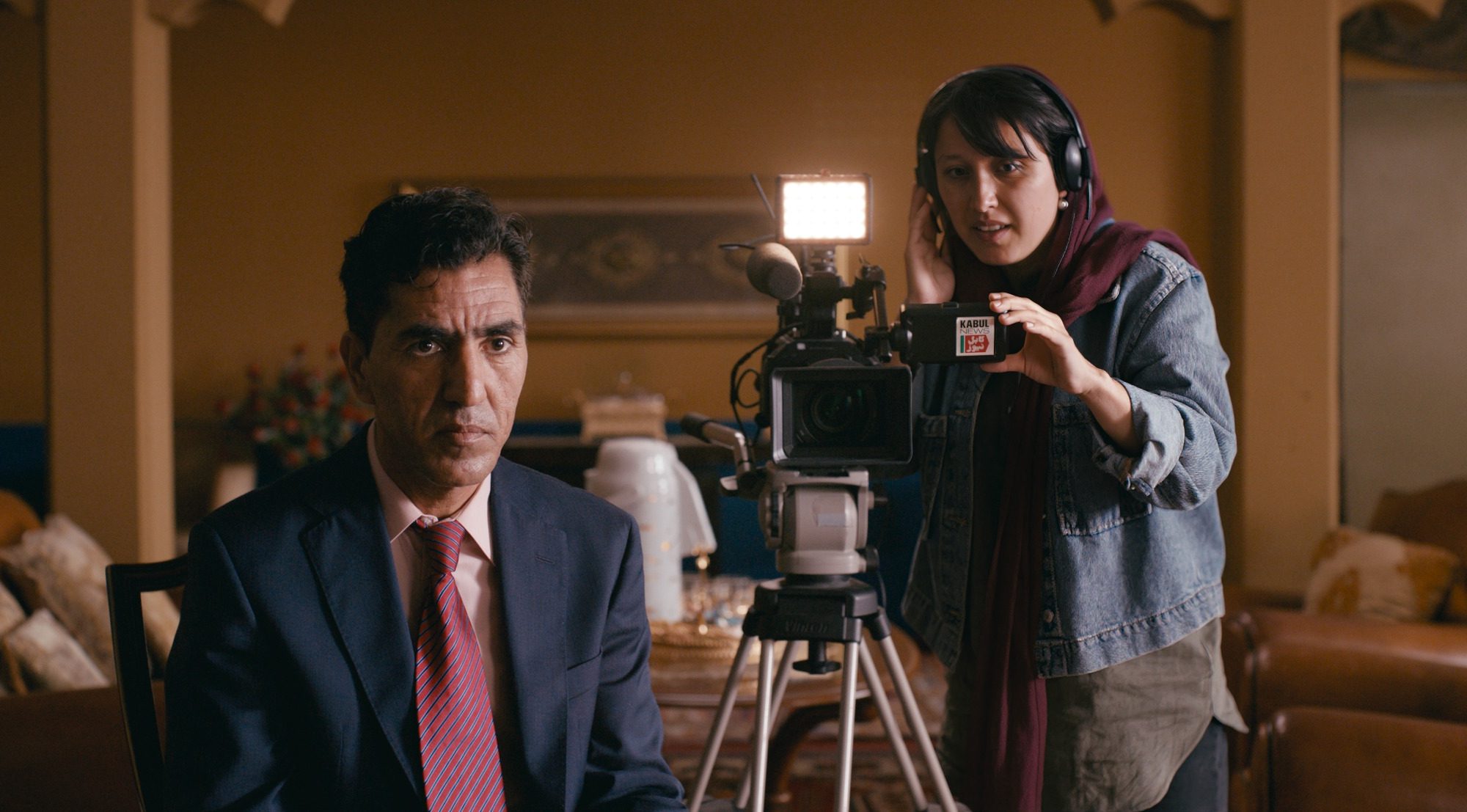
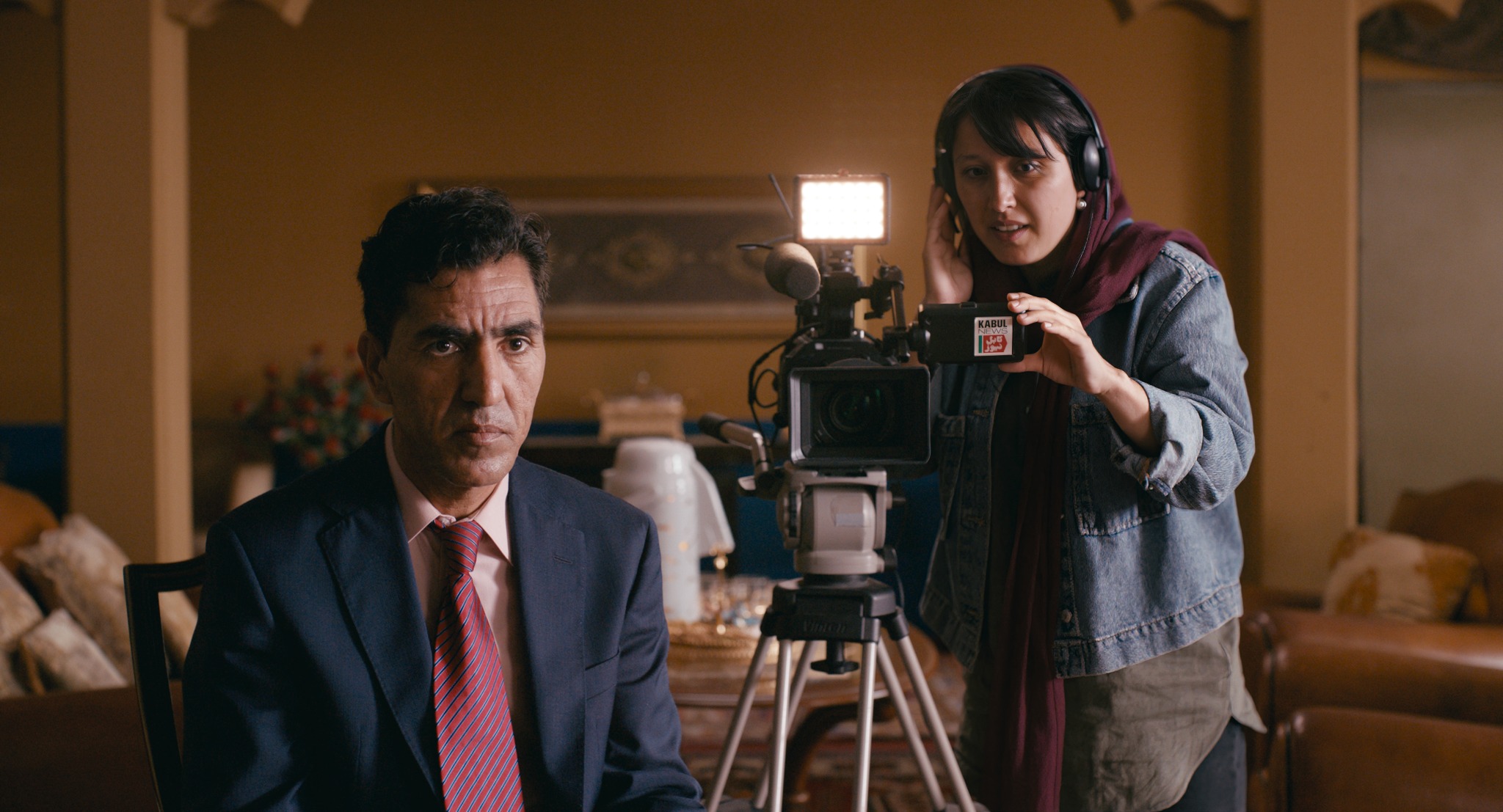
One of the festival's most affecting films was No Good Men, written and directed by Afghan filmmaker Shahrbanoo Sadat, who also plays its protagonist, Naru.
Set in Kabul in 2021, shortly before the Taliban's return to power, the film follows a woman who has distanced herself from her violent husband while fighting to protect her young son. As the only female camera operator at a Kabul television station, Naru must assert herself in an overwhelmingly male professional environment. Yet her position also gives her an advantage: women who would never speak openly to male reporters are willing to share their experiences with her.
An intimate question runs through the film: are there any good men in Afghanistan? Again and again, women describe husbands who never tell them they love them, yet feel entitled to disrespect, humiliate or beat them.
“Someone has to take responsibility. Someone has to begin changing things.”
Naru, however, refuses to treat trauma as an excuse. Aren’t the women traumatised as well? Someone has to take responsibility. Someone has to begin changing things. Here, the intimate and the political are inseparable.
Her relationship with Qodrat, a prominent television journalist, develops gradually through professional respect, trust and small gestures of care. Their affection is tender but complicated: he, too, is married and has children, and neither can step outside the demands of their circumstances.
Sadat combines humour and romantic warmth with a remarkably clear-eyed depiction of everyday misogyny. When the Taliban enter Kabul, the film's emotional stakes become inseparable from the collapse of a country's fragile freedoms. Its answer to the question posed by the title ultimately comes not through declarations, but through action.
Dedicated to the TOLO TV employees killed in a Taliban attack in 2016, No Good Men is profoundly moving without reducing Afghan life to suffering. Its characters laugh, love, work, make mistakes and dream of a future. The approaching catastrophe makes those ordinary human possibilities all the more precious.
Too Much Sugar
Another complicated portrait of masculinity appears in Robert Greene's documentary Too Much Sugar, part of the festival's Daddy Issues programme.
Ryan “Holli-wood” Holliger is a working-class father from Missouri with six children by five different women, a turbulent personal history and a dream of starring in a film about himself. Greene's documentary becomes something different: a collaborative project in which Ryan's children, partner, mother, friends and others close to him contribute their perspectives, including fictional sequences inspired by different cinematic genres.
The resulting mixture of documentary and staged fiction becomes a portrait not only of one imperfect father, but of a particular corner of working-class America.
Ryan is often contradictory, sometimes painfully so. He makes mistakes, and the film does not absolve him of them. Yet there is also something disarming about his attempts, however clumsy, to become a better man. By letting those around him help shape the film, Greene turns what might have been a self-celebrating portrait into a confrontation with responsibility.
Creating under pressure
Political repression was another powerful thread running through this year's programme, particularly in films concerned with artistic freedom.
Yellow Letters
In İlker Çatak's Yellow Letters, the persecution of a Turkish playwright and university professor, Aziz, and his actress wife, Derya, produces something resembling a Greek tragedy. They respond differently to losing their professional lives and security. Neither position is simply right or wrong. Their choices reflect conflicting needs and principles that can coexist within the same individual, yet become harder to reconcile under pressure.
The Friend's House Is Here
A different response emerges in The Friend's House Is Here, filmed clandestinely in Tehran by Maryam Ataei and Hossein Keshavarz.
Here, the friendship between Pari, a theatre director, and Hanna, a dancer, survives even as their personal paths diverge. The film is full of rehearsals, parties, affection, laughter and creative energy, even when their world falls apart. Art is not merely a form of protest against oppression, but an essential way of living.
During a post-screening discussion in Stockholm, the filmmakers said they wanted to portray Iranian artists as fully realised people rather than simply victims, and to convey the vitality of an underground cultural scene that continues to create despite censorship and danger.
“Art is not merely a form of protest against oppression, but an essential way of living.”
The title also establishes a poetic dialogue with Abbas Kiarostami's Where Is the Friend's House?, itself inspired by a poem by Sohrab Sepehri. Perhaps the answer is that a friend's house is not necessarily a physical place. It can be the relationship itself, a form of community that survives separation.
Rehearsals for a Revolution
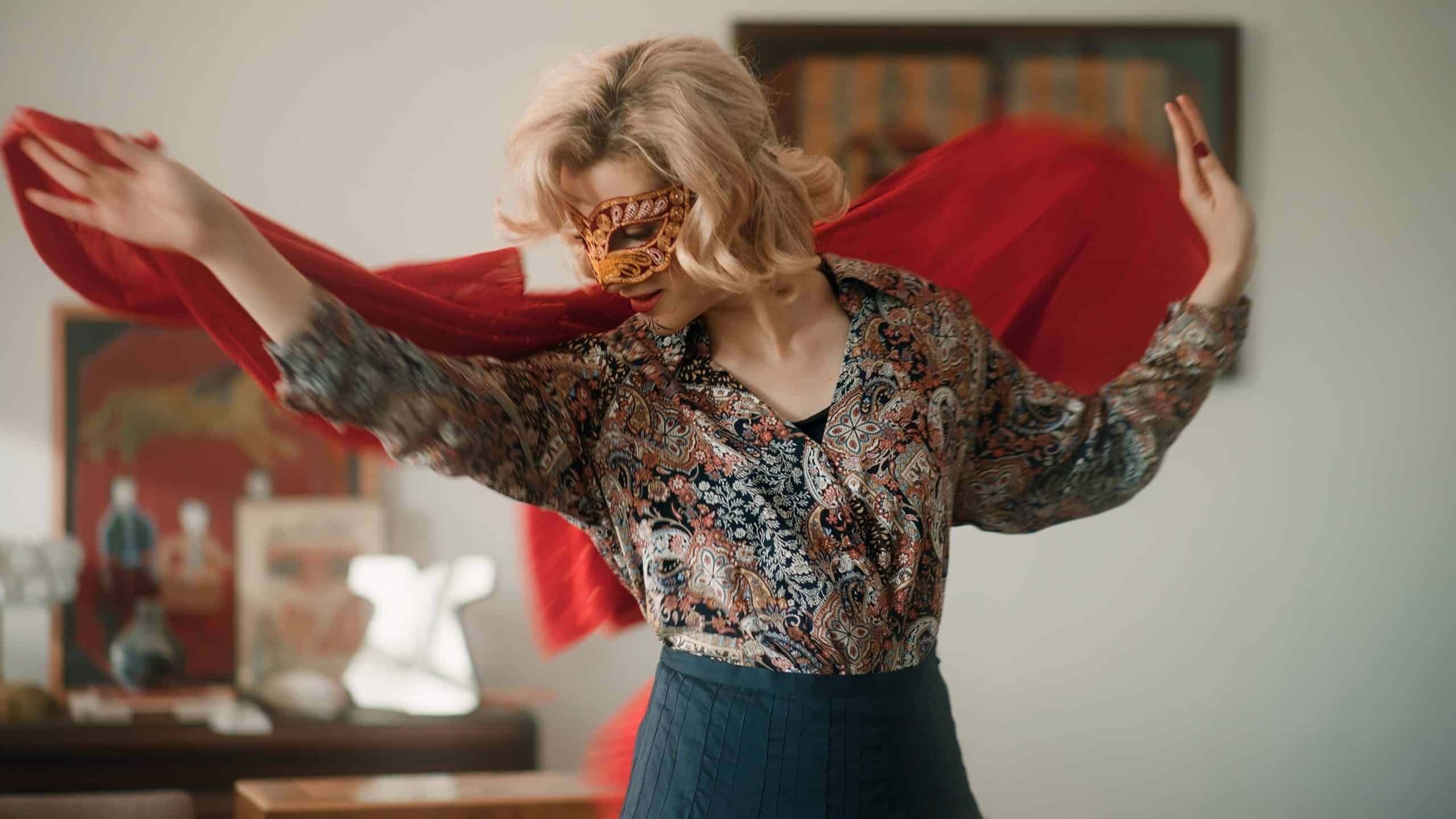
Pegah Ahangarani's documentary Rehearsals for a Revolution, winner of the Golden Eye documentary award at Cannes, offers another perspective on Iranian history.
Structured in five chapters, each devoted to someone significant in the filmmaker's life, it brings together personal recordings, family archives, historical footage and accounts of successive waves of protest. The result is an intimate journey through Iranian history from the 1979 revolution to the violence and upheavals of 2026.
What makes the documentary especially compelling is the way individual memory becomes a means of investigating collective history. Ahangarani's own images, recorded while she still lived in Iran, carry a particular immediacy. The film is explicit in its political position, combining personal testimony with a sweeping historical perspective.
The contrast with The Friend's House Is Here is revealing. Ahangarani, now based abroad, can employ more direct political commentary, while Ataei and Keshavarz's clandestine production required another approach. Both works demonstrate that artistic resistance takes different forms depending on the circumstances in which images are created.
When cinema reinvents its language
Chronovisor
The festival's Bronze Horse for Best Film went to Chronovisor, by Jack Auen and Kevin Walker, one of the programme's most unusual cinematic experiences.
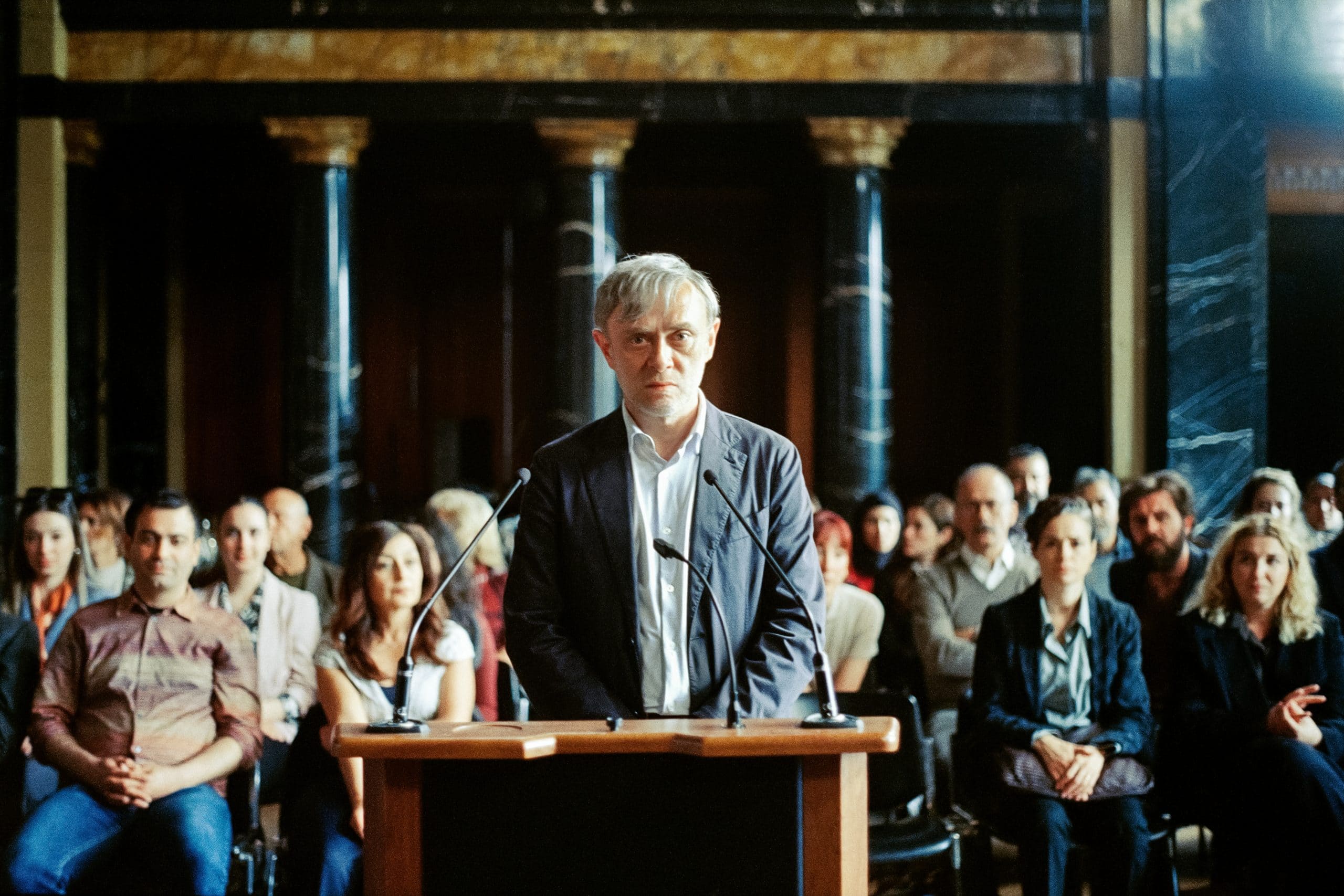
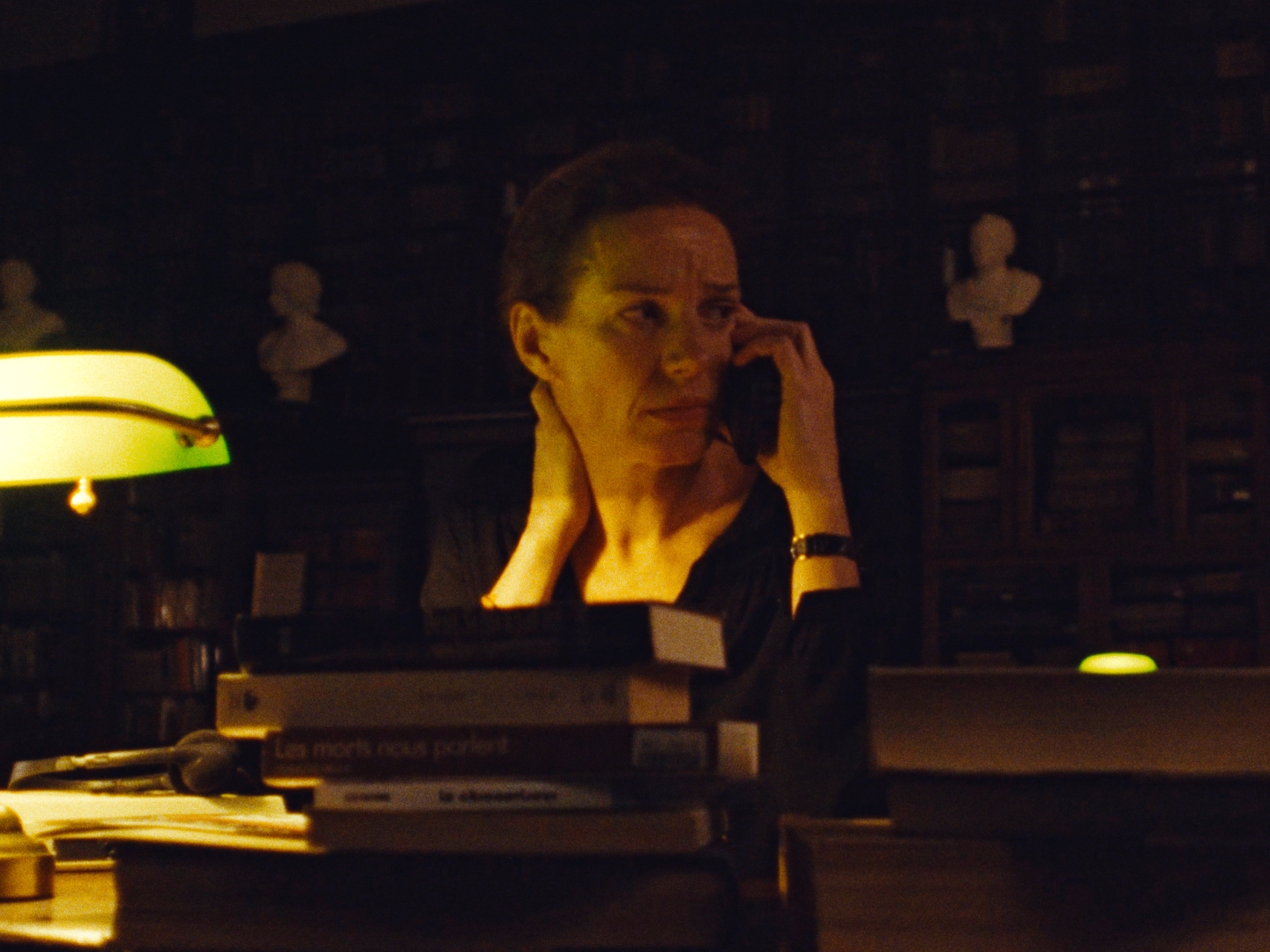
The film follows Béatrice Courte, a French academic whose research leads her to the story of Pellegrino Ernetti, an Italian Benedictine monk who claimed to have invented a machine that could reconstruct images and sounds from the past, supposedly allowing people to witness events as distant as the crucifixion of Christ.
Ernetti died in 1994, leaving behind conflicting accounts, disputed evidence and a mystery that continues to attract speculation.
As Béatrice becomes increasingly absorbed in the story, we follow her through libraries, old Italian magazines, documents from different countries, telephone conversations and obscure testimonies. We read what she reads, listen to what she hears and gradually enter her obsession.
Accompanied by an insistent musical score, the investigation becomes a strangely hypnotic thriller in which reading and research are themselves the action. Eventually, the search leads to a darkened room in Portugal.
Did the machine ever exist? Was it an elaborate fabrication? And what if the people who observe the past can themselves be observed?
“We read what she reads, listen to what she hears and gradually enter her obsession.”
Shot on 16 mm film, Chronovisor transforms scholarly investigation into cinematic suspense. It also raises questions about cinema itself: its power to preserve images, reconstruct memory and create the illusion of witnessing what is no longer there.
Heil Jupiter!
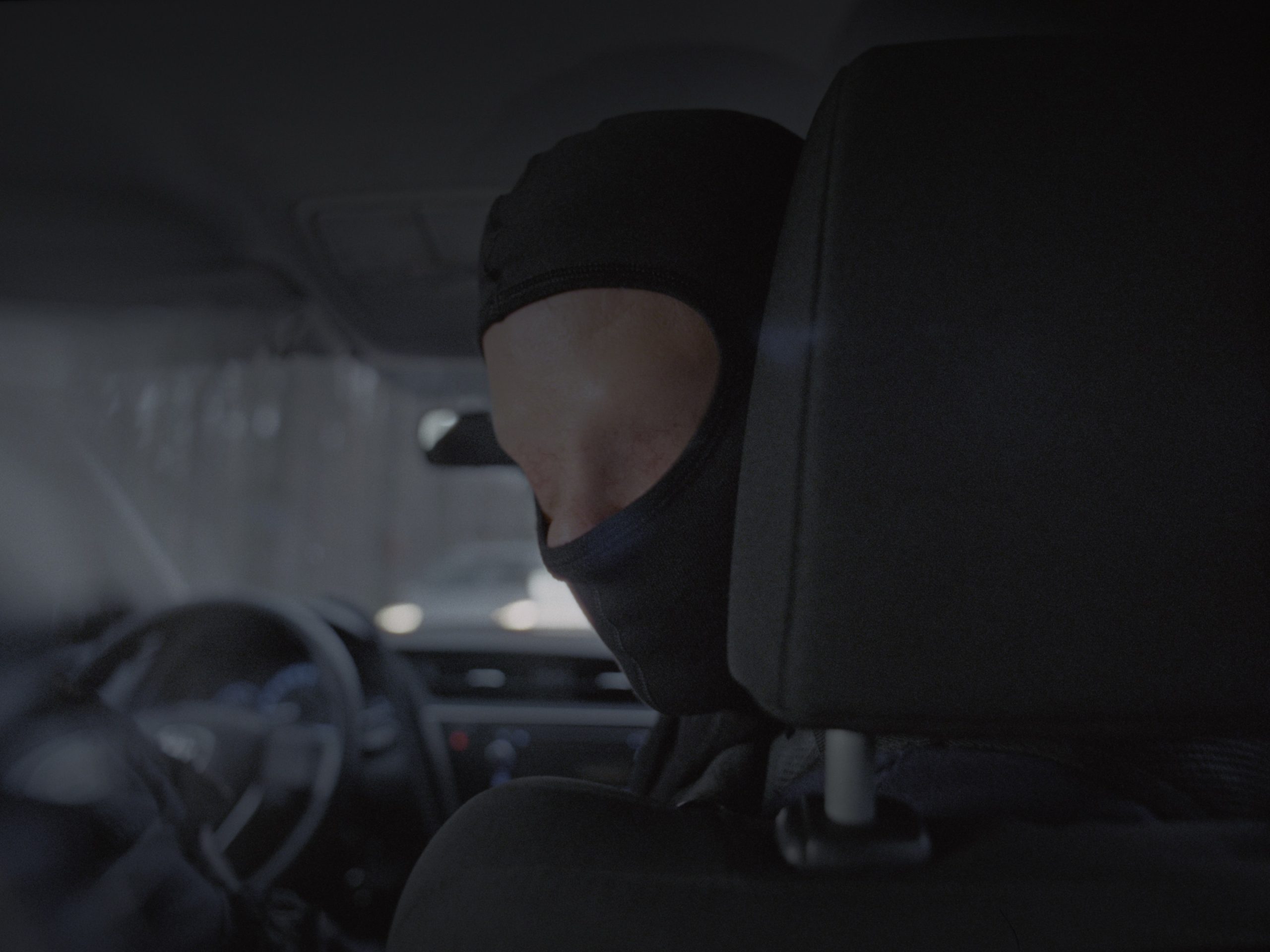
Far more visceral is Carlos Reygadas's Heil Jupiter!, a challenging work whose extraordinary visual language moves between elemental beauty and incomprehensible violence.
Its opening images of the sea and a mysterious sphere recall the outer panels of Bosch's The Garden of Earthly Delights, suggesting a world before human history. Gradually, this primordial landscape gives way to bodies, rituals and spirals of violence.
The film is disturbing, at times almost unbearable, but its experimental language has an undeniable expressive force. It resists easy interpretation, demanding that viewers experience its images rather than merely decode them.
Masc
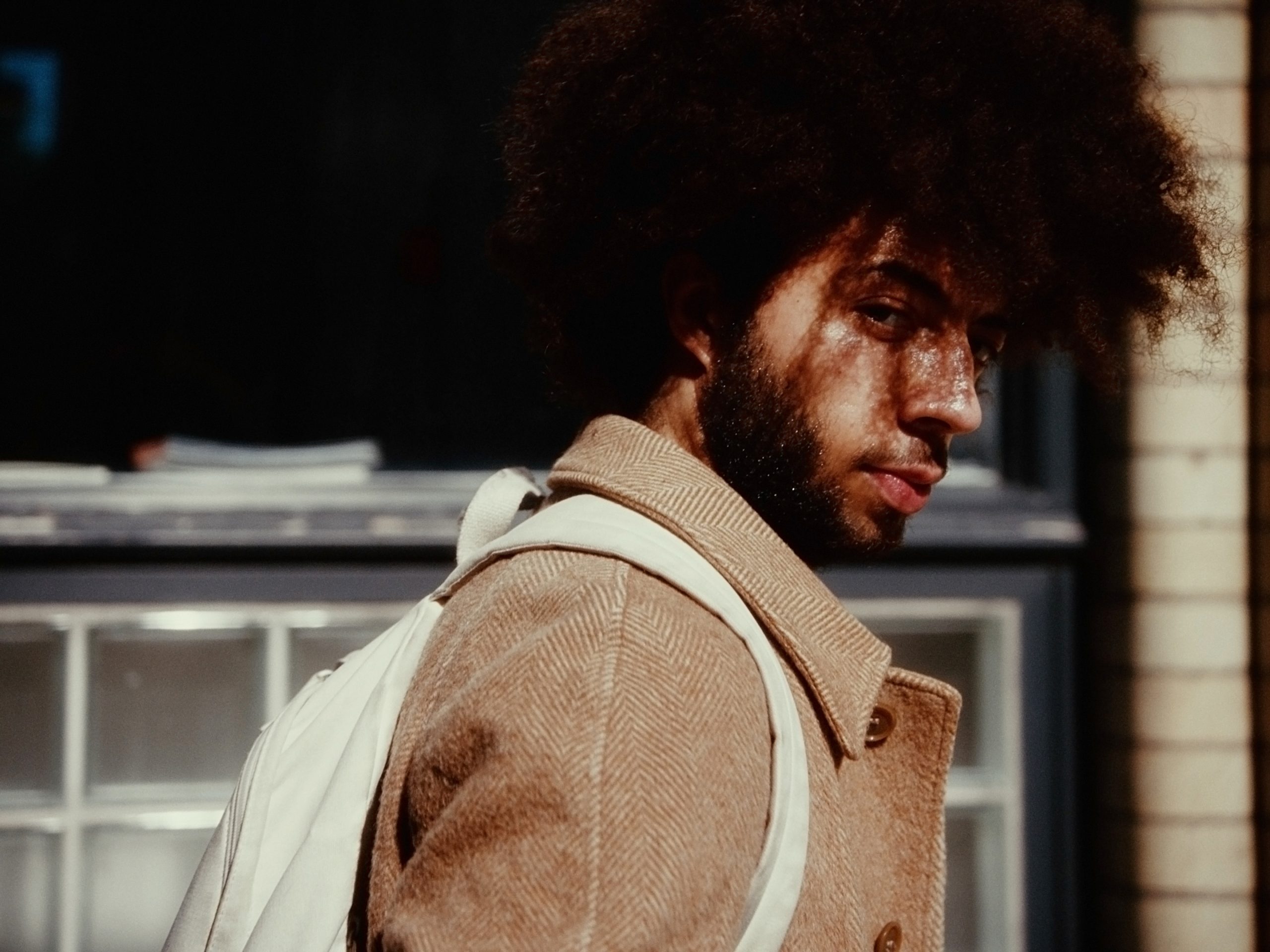
In a quieter register, Bertil Nilsson's Masc, presented in the Discovery section, explores the construction of masculine identity through Robin, a young queer, autistic and mixed-race Londoner who studies and sometimes borrows the gestures of other men. Here too, cinema examines the difficult relationship between outward appearances and the search for an authentic self.
Nordic cinema: uneasy transitions
The Stockholm Nordic Shorts programme offered another rewarding opportunity to encounter inventive filmmaking, often addressing difficult subjects with striking formal confidence.
Korpus
Amalie Maria Nielsen's Korpus, winner of the Stockholm Nordic Shorts award, was particularly memorable. Set around a limestone quarry and a nearby lake, it draws on an ancient Danish myth to explore adolescent desire and the discovery of unfamiliar impulses. Its atmosphere evokes Scandinavian folklore surrounding dangerous water-dwelling creatures, such as the Danish åmand, a spirit believed to drag people beneath the surface. Without tying itself explicitly to any one mythical figure, the film gives these ancient fears a queer, contemporary dimension.
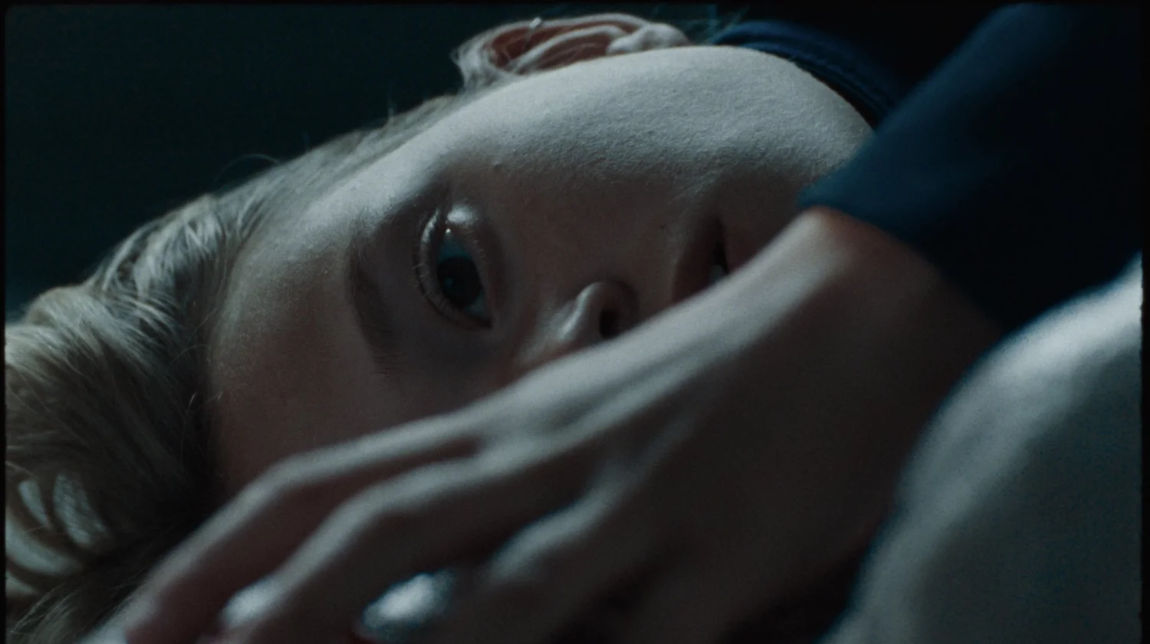
Its tactile imagery moves towards horror, transforming a coming-of-age story into something darker and more ambiguous. The supernatural becomes a means of expressing what the protagonist has not yet learned to recognise within herself.
Never Enough
In Julius Lagoutte Larsen's Never Enough, the impending departure of a close friend exposes profound loneliness and ambiguous emotional attachment. Agnes's increasingly reckless behaviour reveals the painful instability of a relationship in which affection and fear of abandonment become entangled.
Stolen Memories
Anders Davidsen's Stolen Memories ventures into even more troubling territory. When childhood photographs resurface, a young man is confronted with intimate images taken by his mother, including photographs of his naked body. He begins to question the boundaries of their relationship. When he confronts her, she dismisses his discomfort as oversensitivity.
The film raises difficult questions about bodily autonomy, family boundaries and the authority of personal memory. Growing up here means challenging the idealised image of one's parents and learning to trust one's own perceptions, even when doing so threatens the comforting certainties of childhood.
“Growing up here means challenging the idealised image of one’s parents and learning to trust one’s own perceptions.”
The Last Tourist in Europe
Balder Ljunggren's The Last Tourist in Europe offers a different kind of psychological unease, placing a couple in an eerily abandoned hotel. With the other guests and staff mysteriously gone, the pair decide to stay, exploring rooms filled with other people's belongings, cooking, drinking and inventing games to pass the time. The situation produces moments of genuine hilarity, but the apparent freedom of having an entire hotel to themselves gradually reveals the tensions beneath their relationship.
Through carefully composed images, surreal humour and an increasingly unsettling atmosphere, Ljunggren transforms a bizarre holiday into an original, finely observed study of intimacy and emotional distance.
Tutto Passa
The programme also included Rosa Frølund-Lie's Tutto Passa, a moving account of a young man's murder and his family's search for justice in the shadow of organised crime in southern Italy. Its subject is undeniably powerful, although its cinematic treatment felt less accomplished than those of the other shorts.
Beginning again
A gentler portrait of personal crisis came from Norwegian director Eivind Landsvik's Low Expectations. After her music career falters, Maja returns to live with her mother and begins working at a school. Her depression, their complicated relationship and the quiet understanding of a colleague shape an understated story about rebuilding confidence.
There are no dramatic solutions, only the possibility of continuing, one day at a time.
Beyond the screen
Taken together, these films reveal a striking variety of cinematic approaches, from romantic comedy and intimate documentary to political drama, experimental fiction and unsettling short-form storytelling.
They also suggest that freedom is not always expressed through grand gestures. Sometimes it means refusing to accept violence as inevitable, allowing another person to tell their story, remaining faithful to a friendship, or finding the courage to question memories once considered unquestionable.
Running through many of these stories is something equally important: a stubborn, sometimes unexpected grace. Even when confronted with political oppression, painful personal histories or the struggle to define one's identity, people find ways to preserve tenderness, humour, curiosity and joy. Not because their difficulties disappear, but because life still demands imagination, courage and care.
At other times, freedom belongs to the filmmakers themselves, who challenge established narrative forms and invent new ways of seeing.
The most enduring impression left by Stockholm's 2026 festival may be this: cinema's capacity to examine human experience without reducing it to simple explanations, and to make room for contradictions, tenderness, imagination and change.
In a world where the right to speak, create and determine one's own life remains profoundly unequal, that capacity is worth defending.
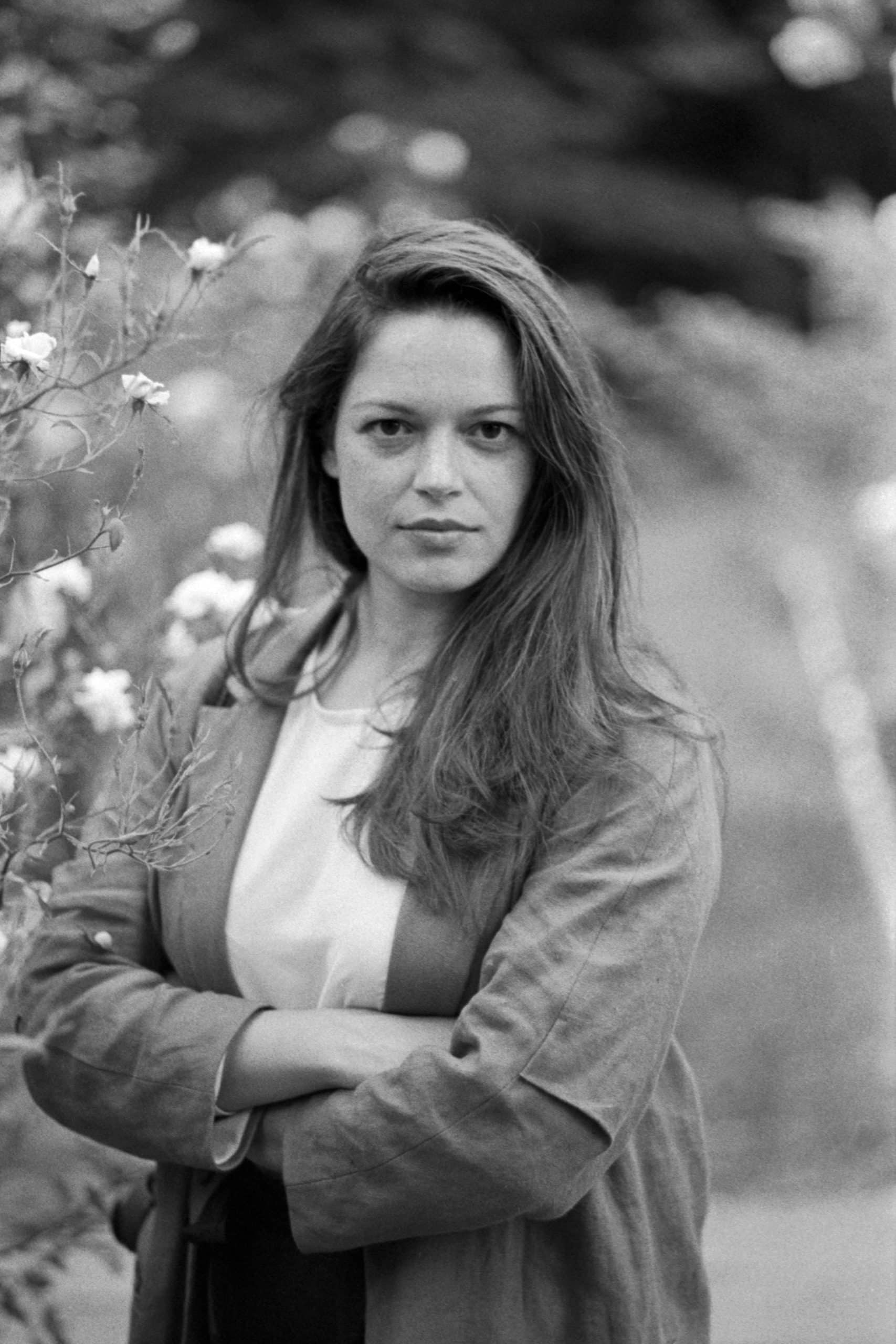
Chiara Gelmini is an Italian art writer, curator and interdisciplinary artist. With a background in visual and performing arts and aesthetics, she works across contemporary art, music, performance and cultural education. Her work is shaped by travel, cultural crossings and the porous thresholds between places, disciplines and artistic languages. Her writing explores the relationships between artworks, exhibition contexts and audiences, and art as a space for encounter. Read more articles by Chiara Gelmini.