For generations, Istria was the holiday people returned to without a second thought. As prices rise, that familiarity faces a new test: what makes a place worth coming back to?
I grew up in Trieste, a city in north-eastern Italy at the northern end of the Adriatic, only a few kilometres from the Slovenian border, where Istria has always occupied a peculiar place in people’s lives: unmistakably across a border, yet never entirely foreign. For much of the twentieth century, crossing that border was anything but casual. After the Second World War, the area around Trieste was divided between Allied-administered Zone A and Yugoslav-administered Zone B, while the post-war settlement was accompanied by the Istrian exodus, before the border arrangement was stabilised in 1954. Yet the land beyond it remained deeply familiar — through language, food, shared habits and family histories that long predated the political lines drawn across the region.
Istria is therefore not only part of Trieste’s geography of summer, but of its family geography too: many people from Trieste have parents, grandparents or earlier generations who were born there. And this culture of return extends far beyond Trieste. For generations, Croatians, Slovenians, Italians, Germans, Austrians and visitors from further north in Europe have made parts of the peninsula their second summer home, often returning to the same village, campsite, apartment or stretch of coast year after year.
The peninsula itself is divided between three countries — Croatia, Slovenia and, in a tiny portion around Muggia, Italy — and stretches south to Cape Kamenjak, near the village of Premantura. From Trieste, it is close enough to reach the coast for a swim and be home by evening, familiar enough to recognise flavours, words and habits, yet different enough to preserve the feeling of having crossed into somewhere else.
Istria and the Price of Returning
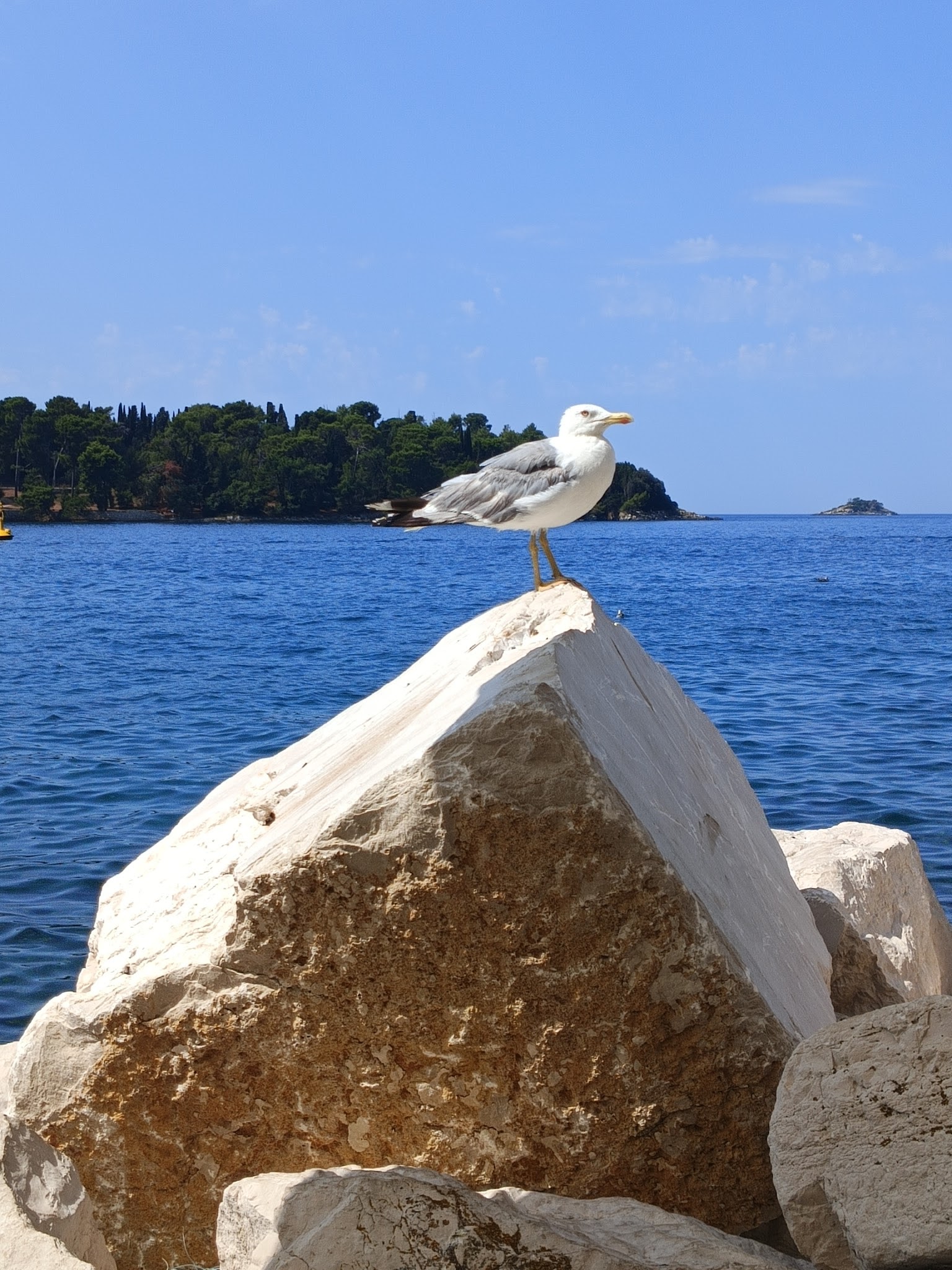
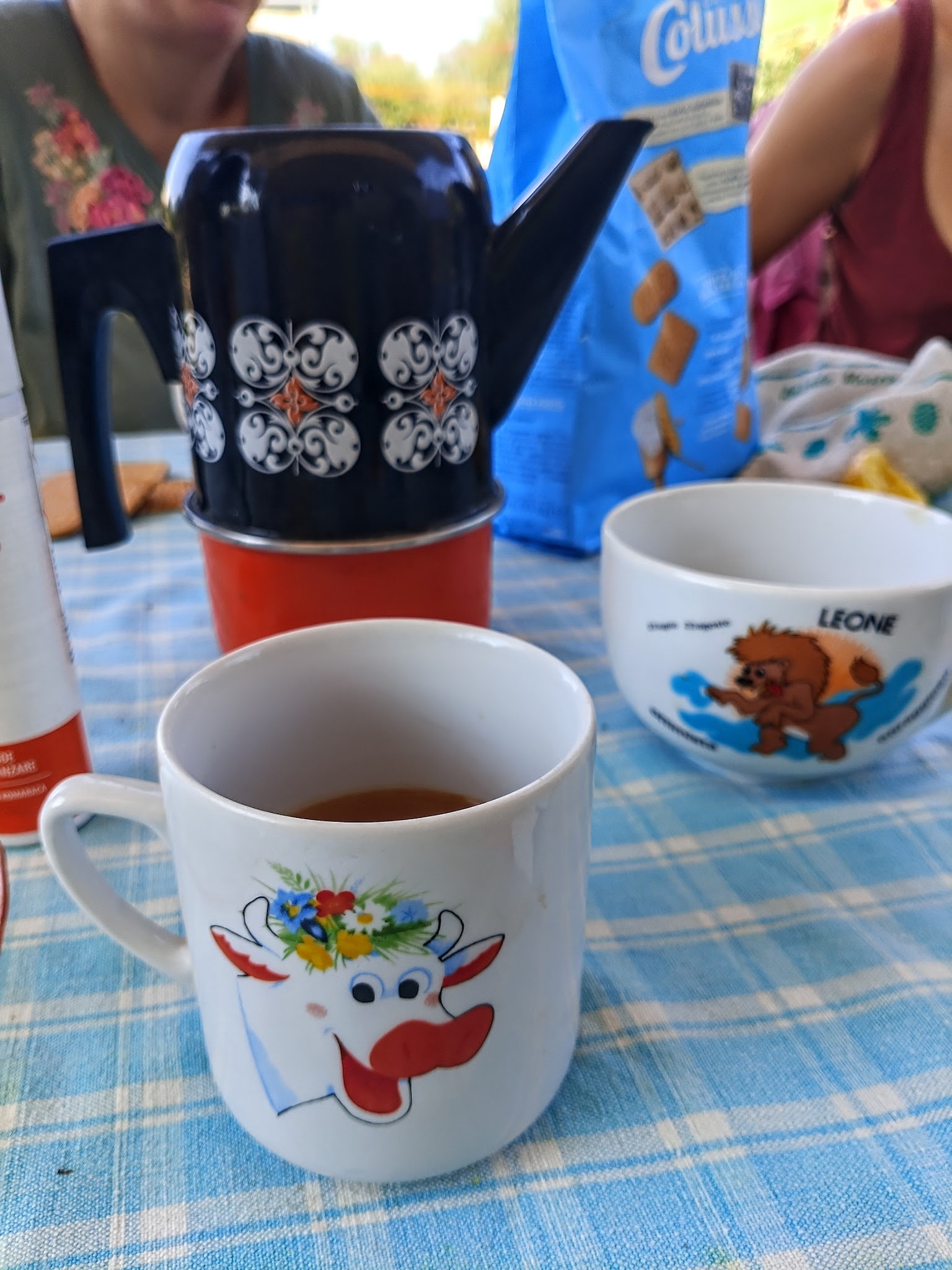
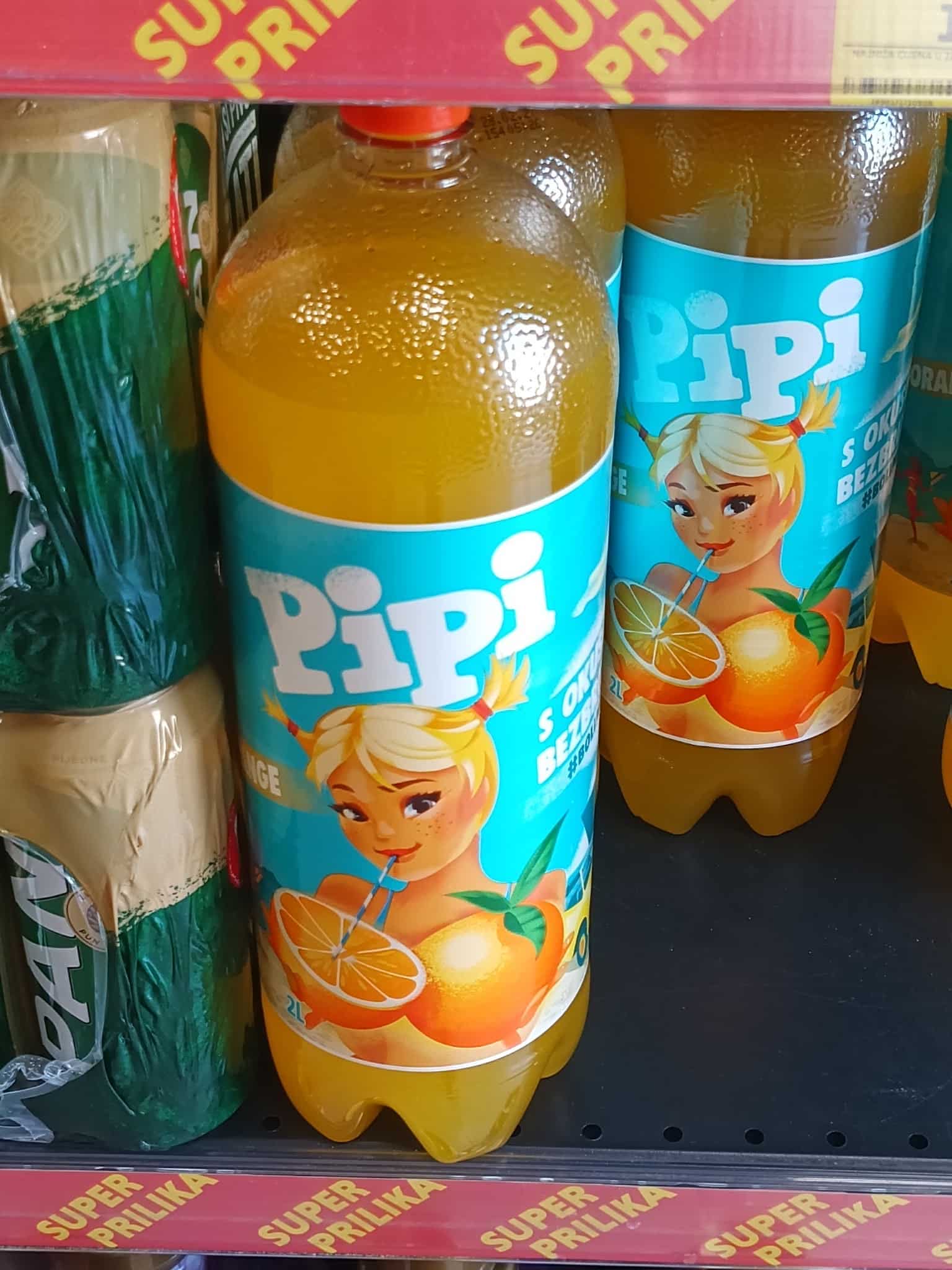
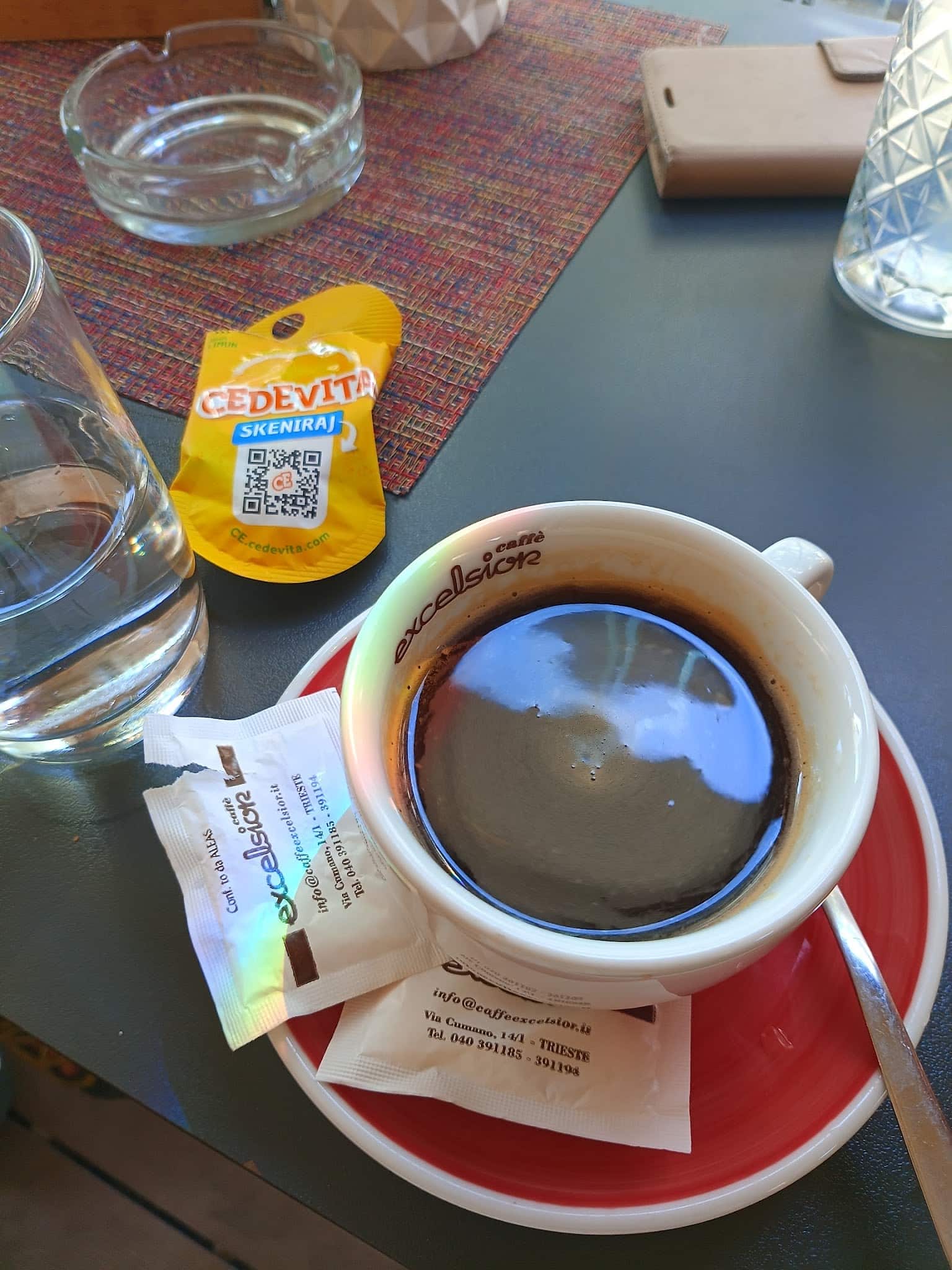
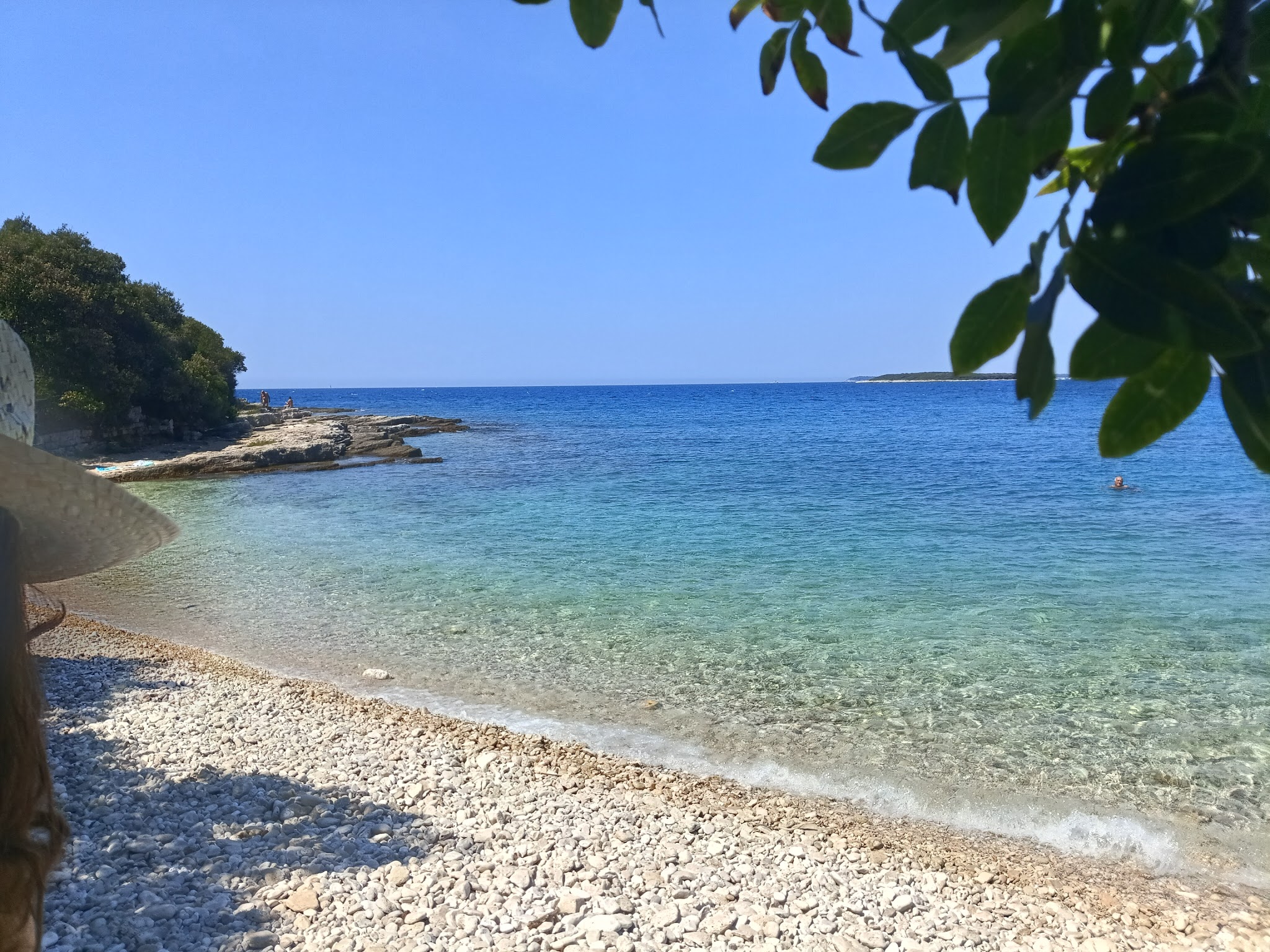
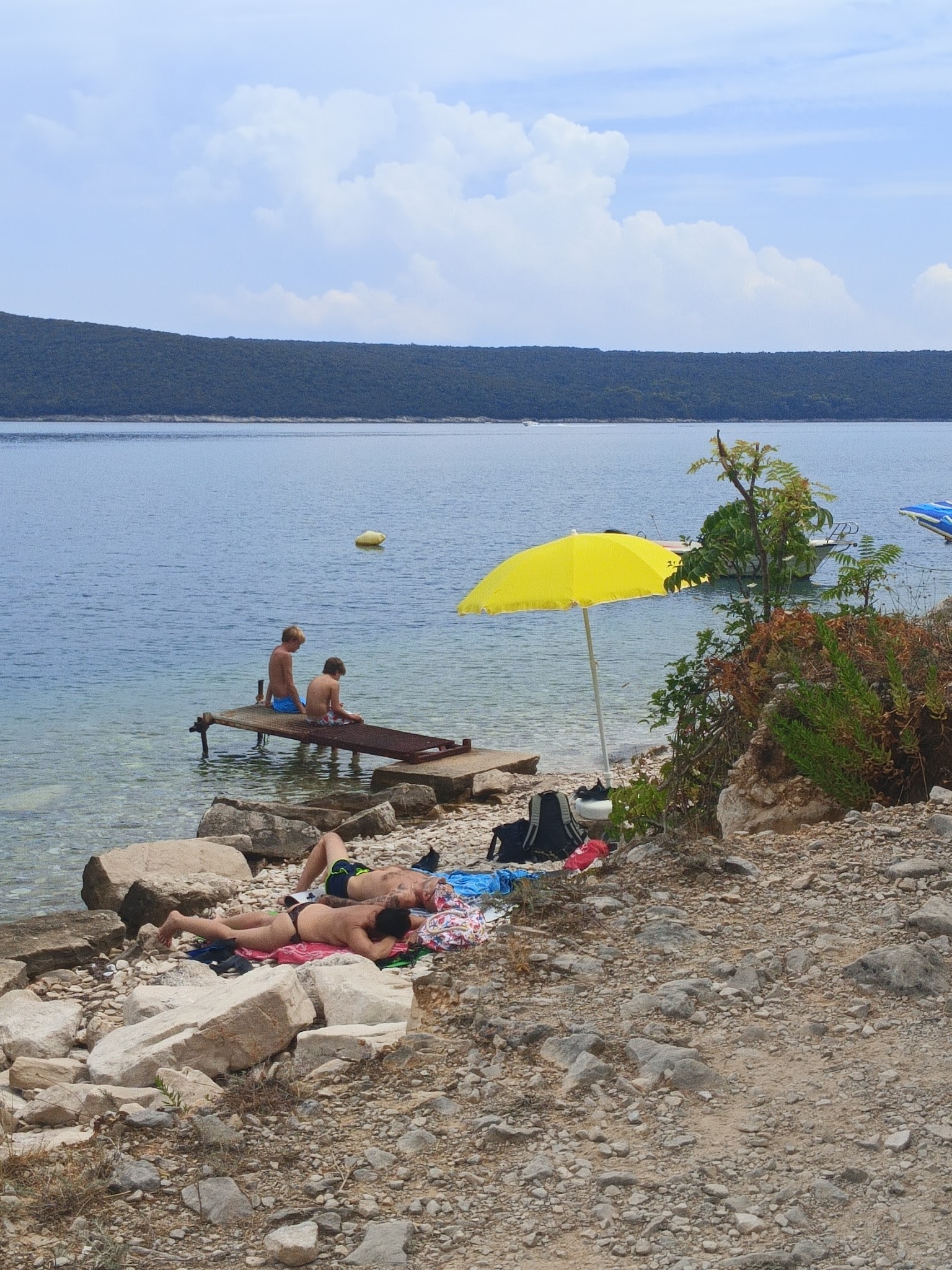
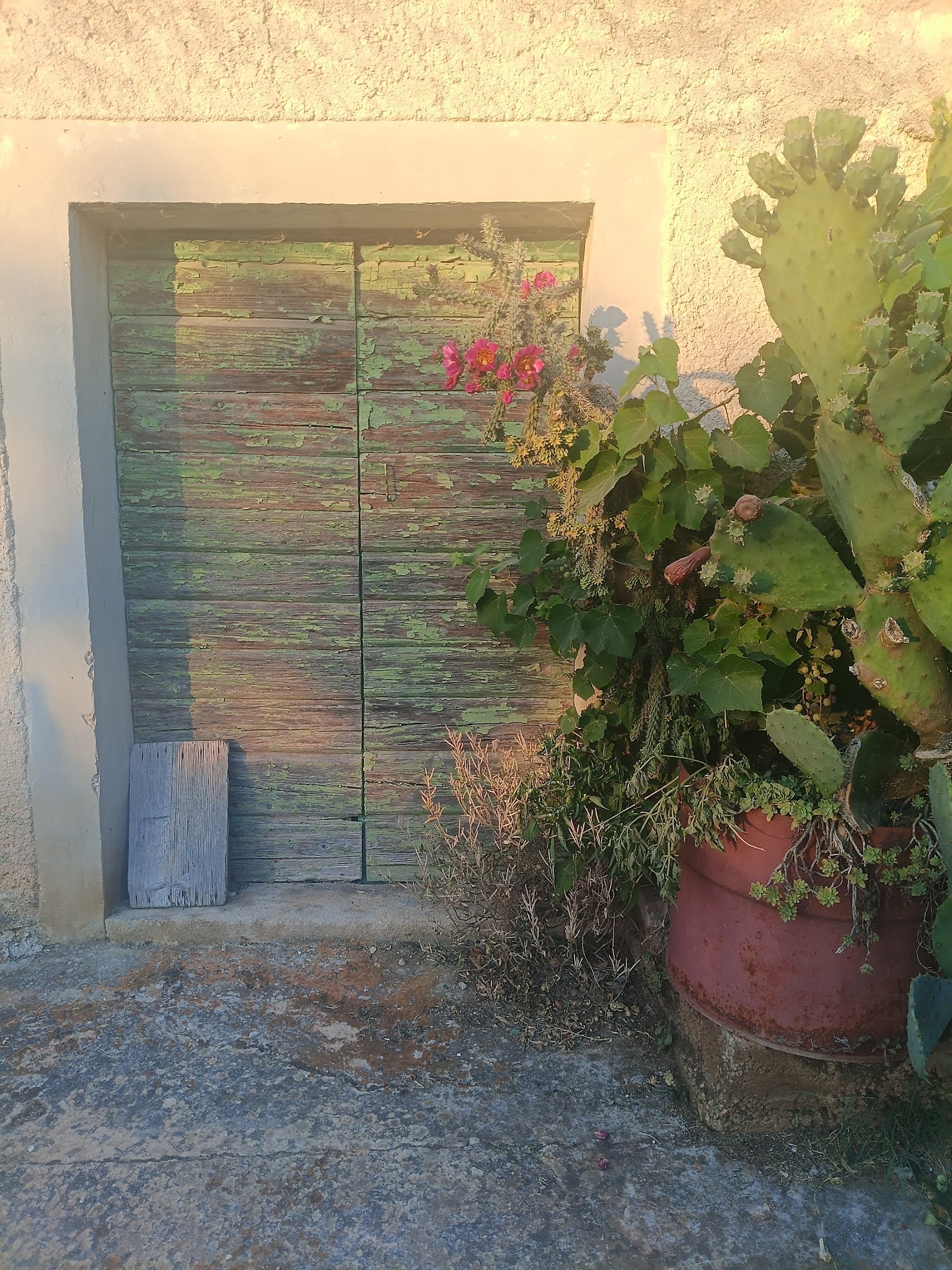
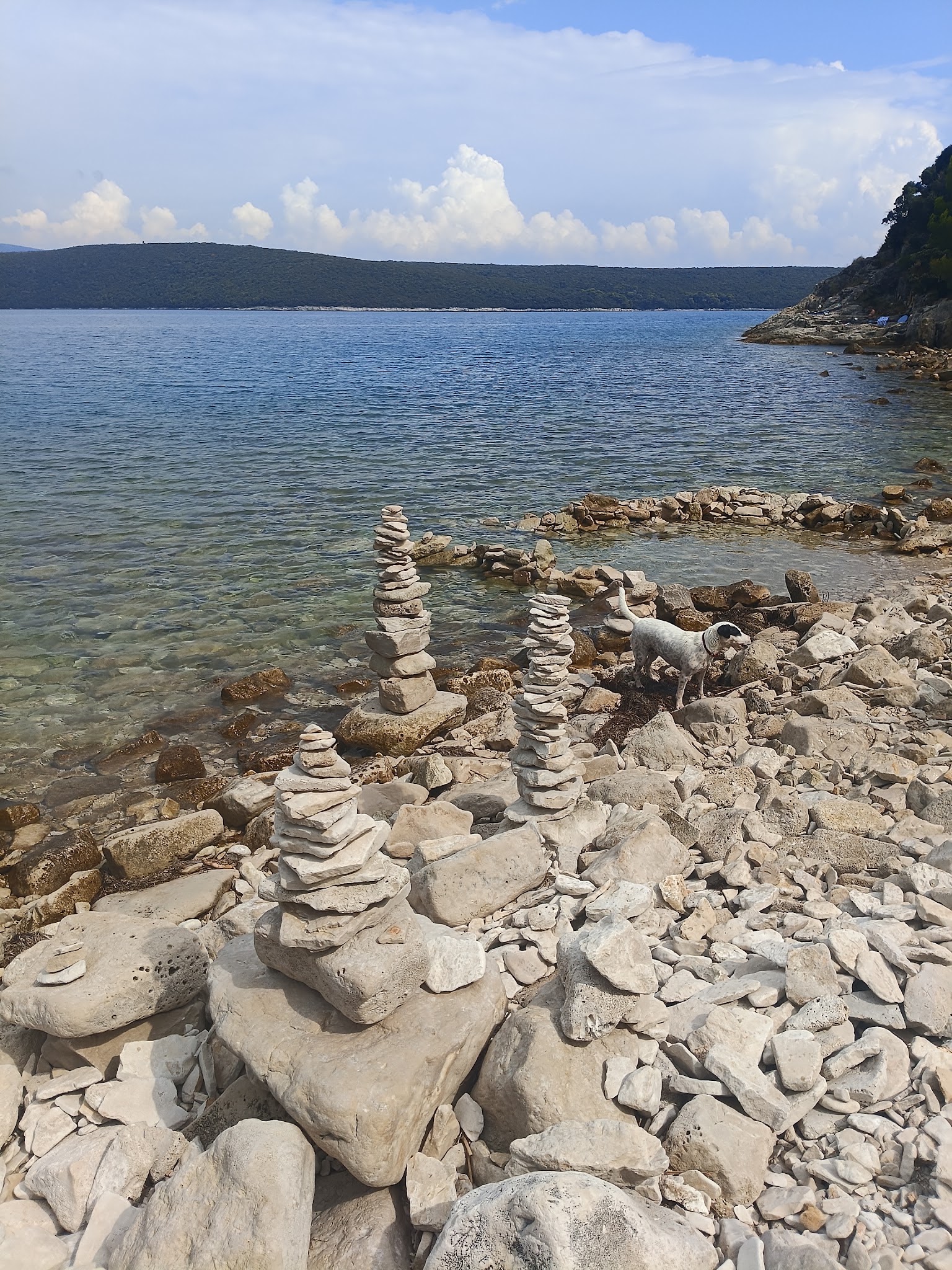
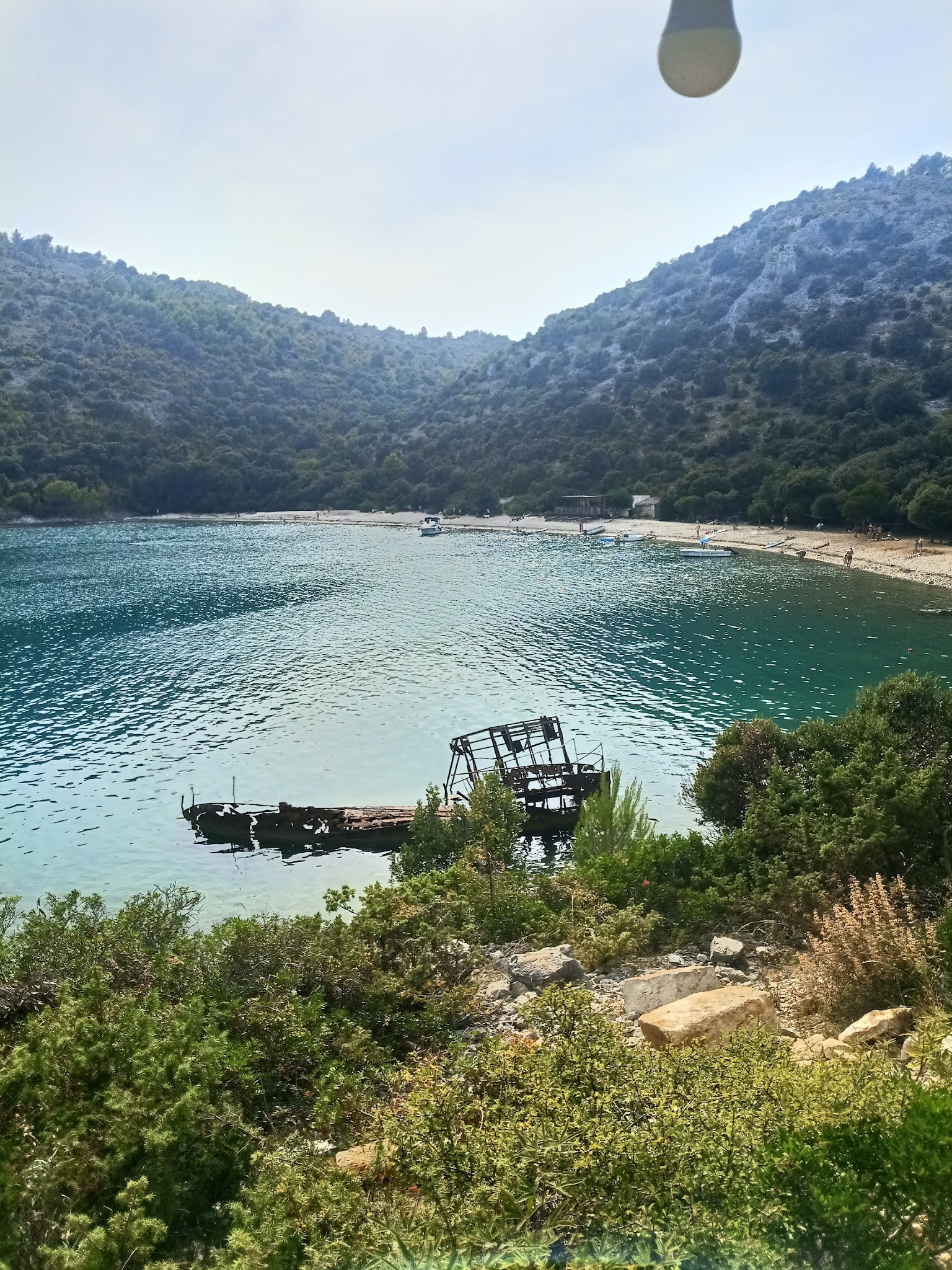
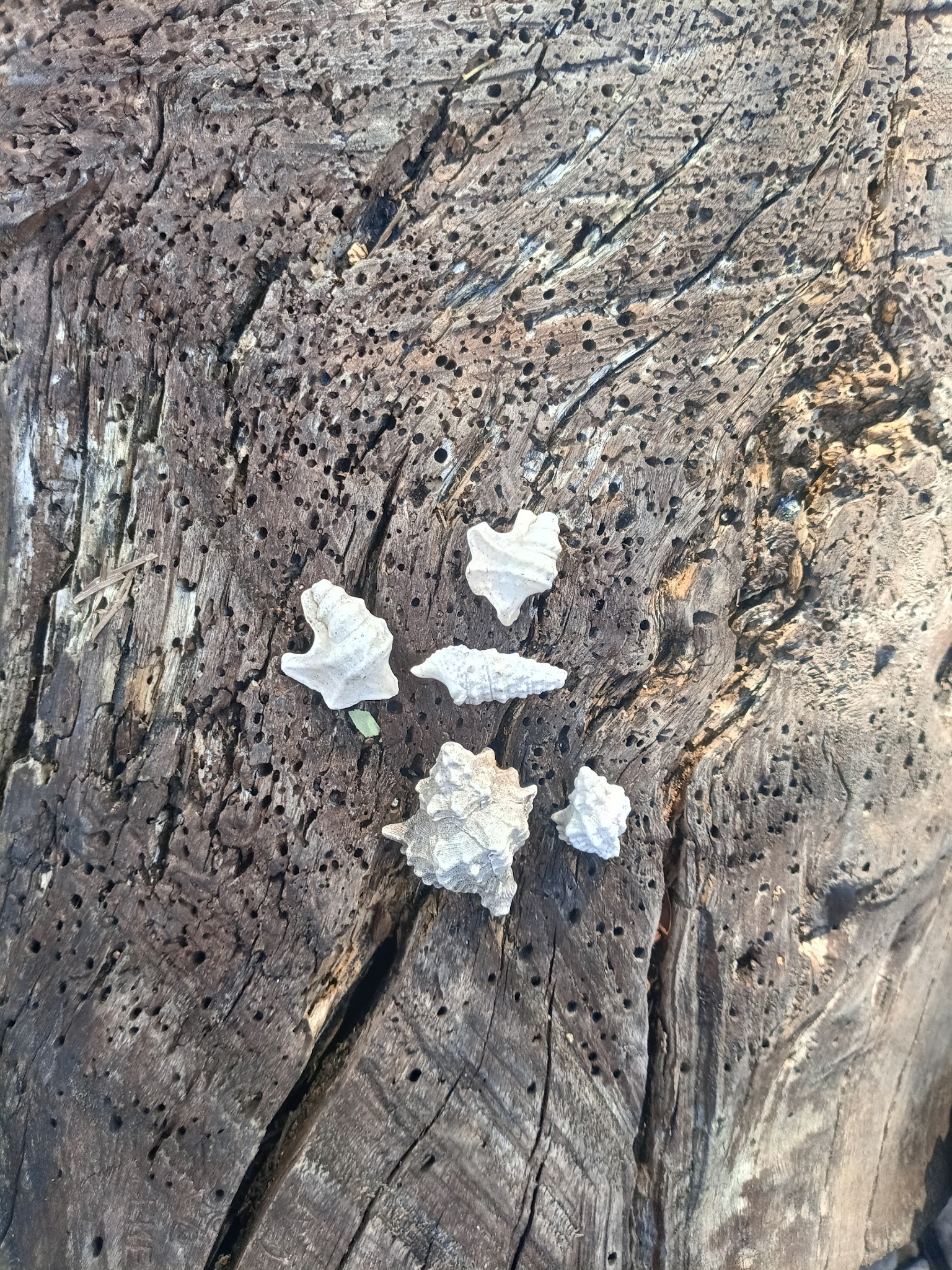
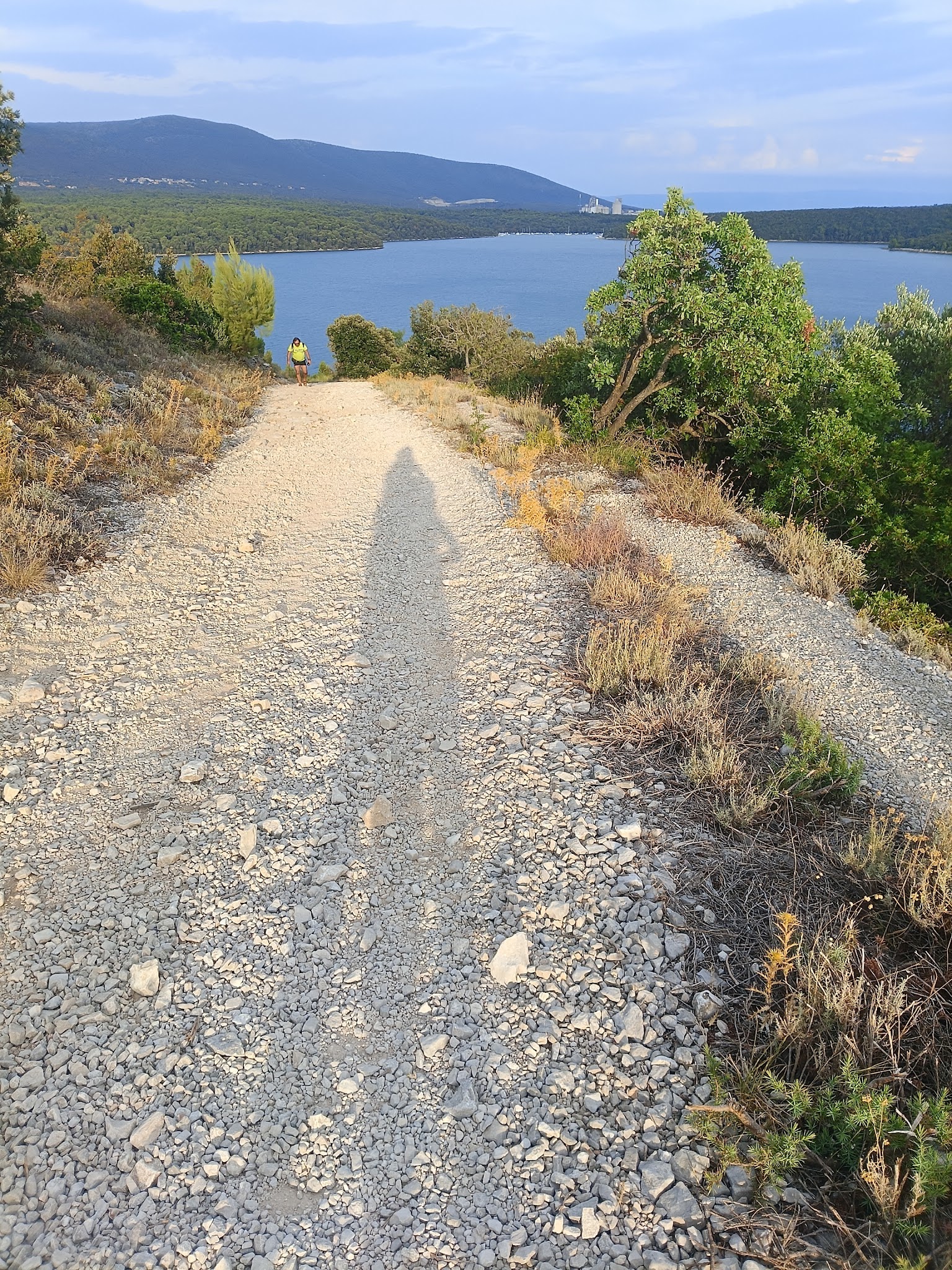
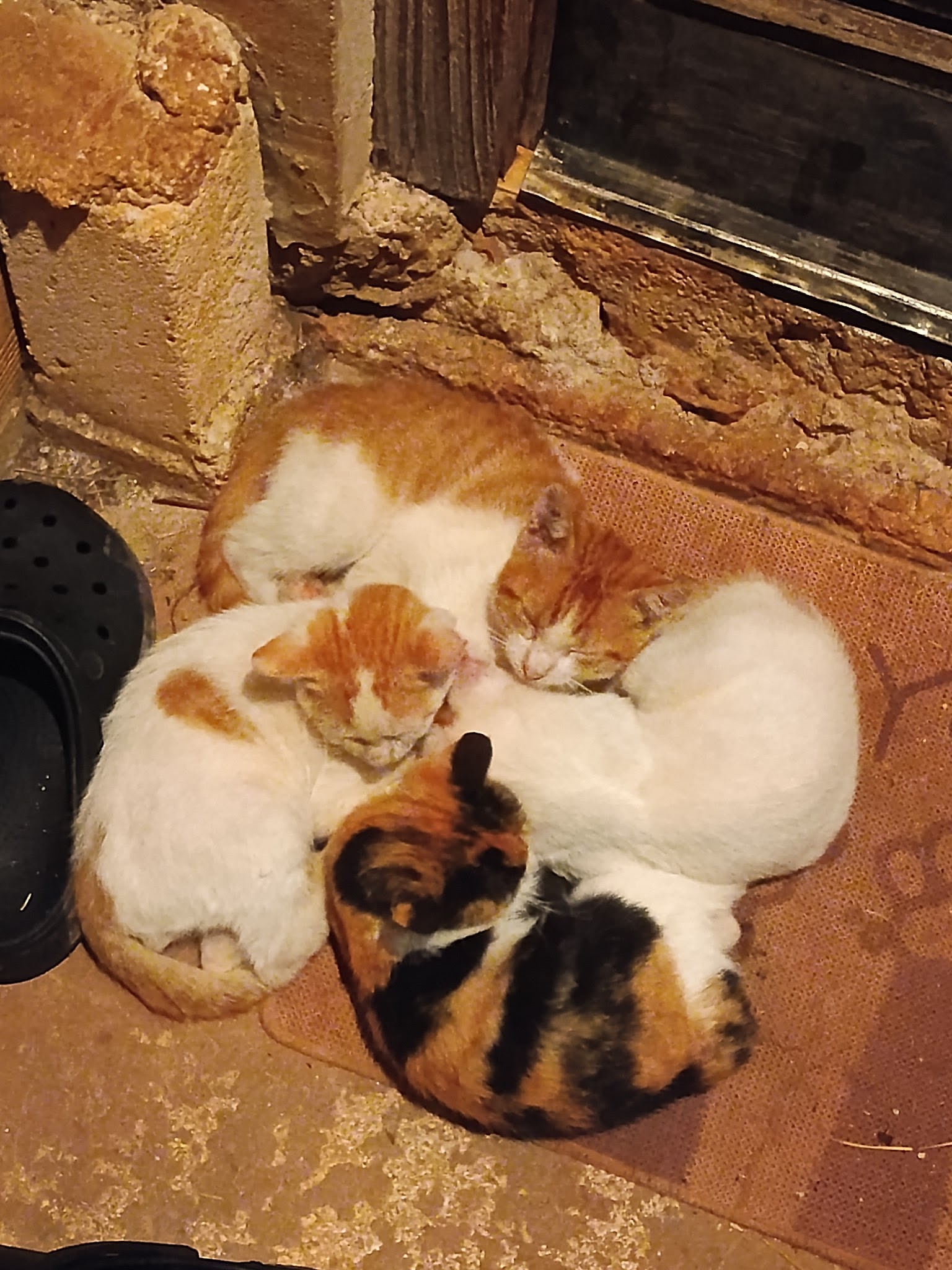
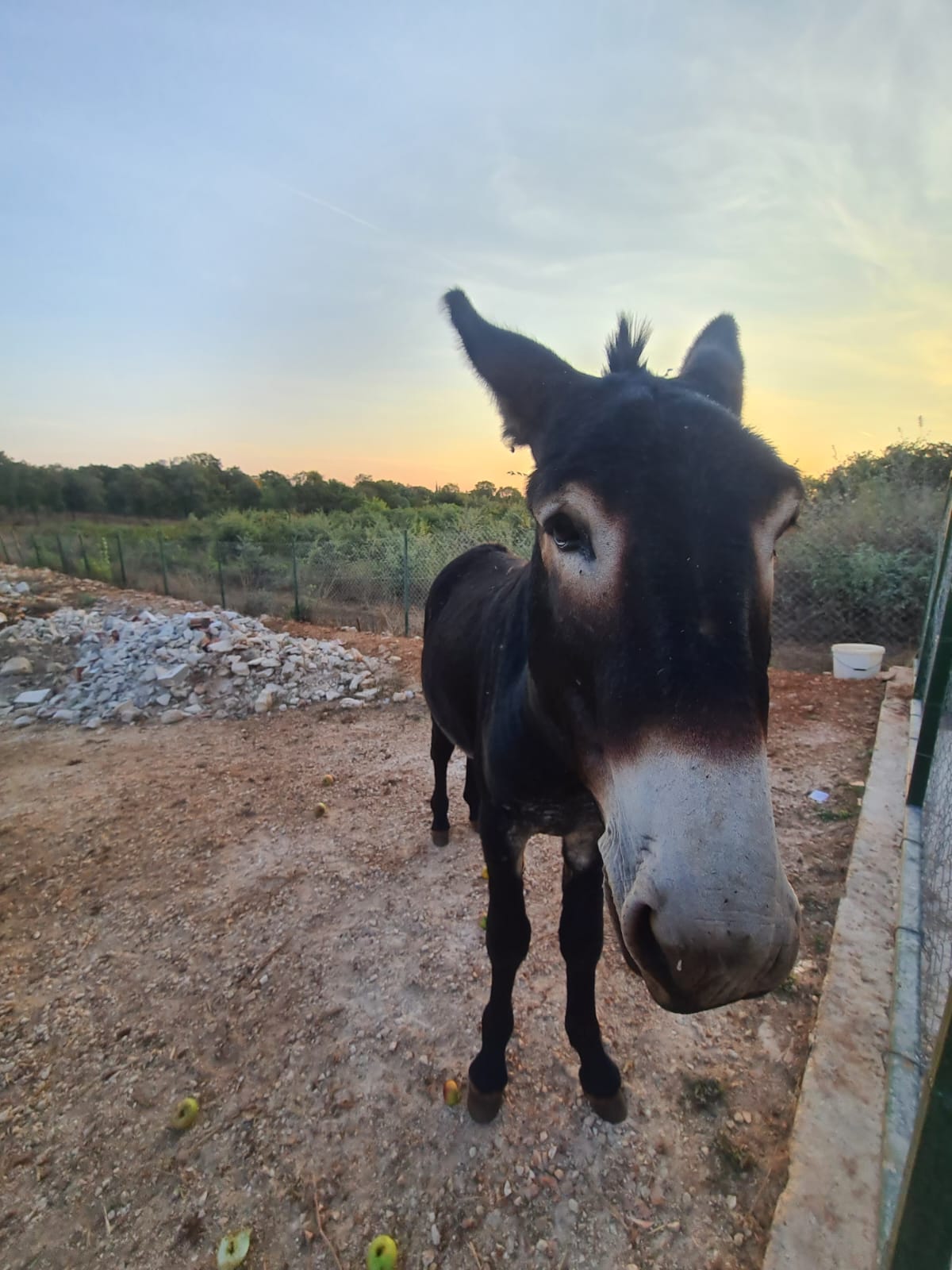
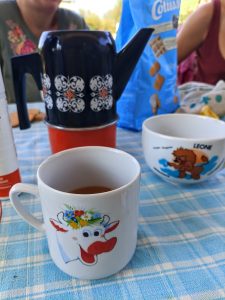
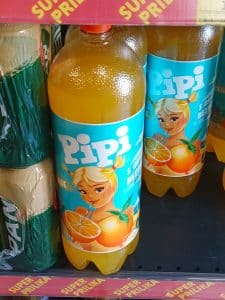
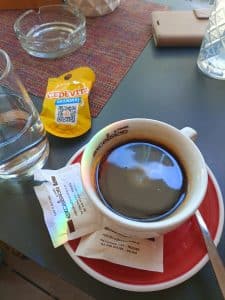
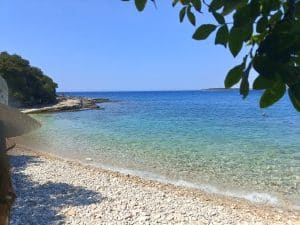
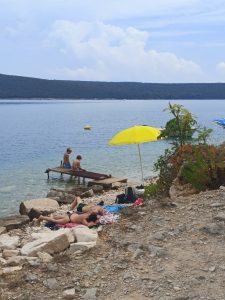
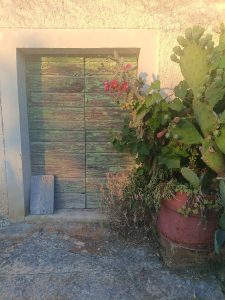
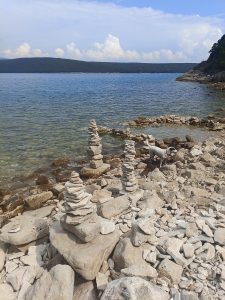
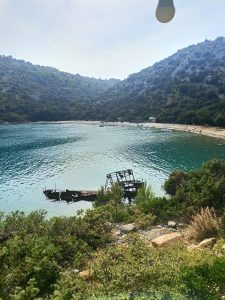
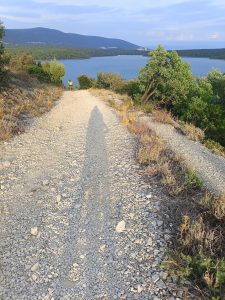
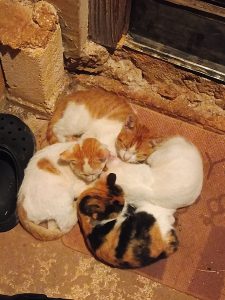
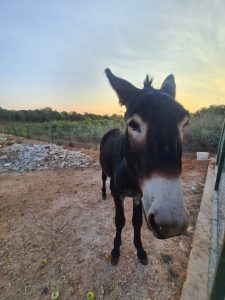
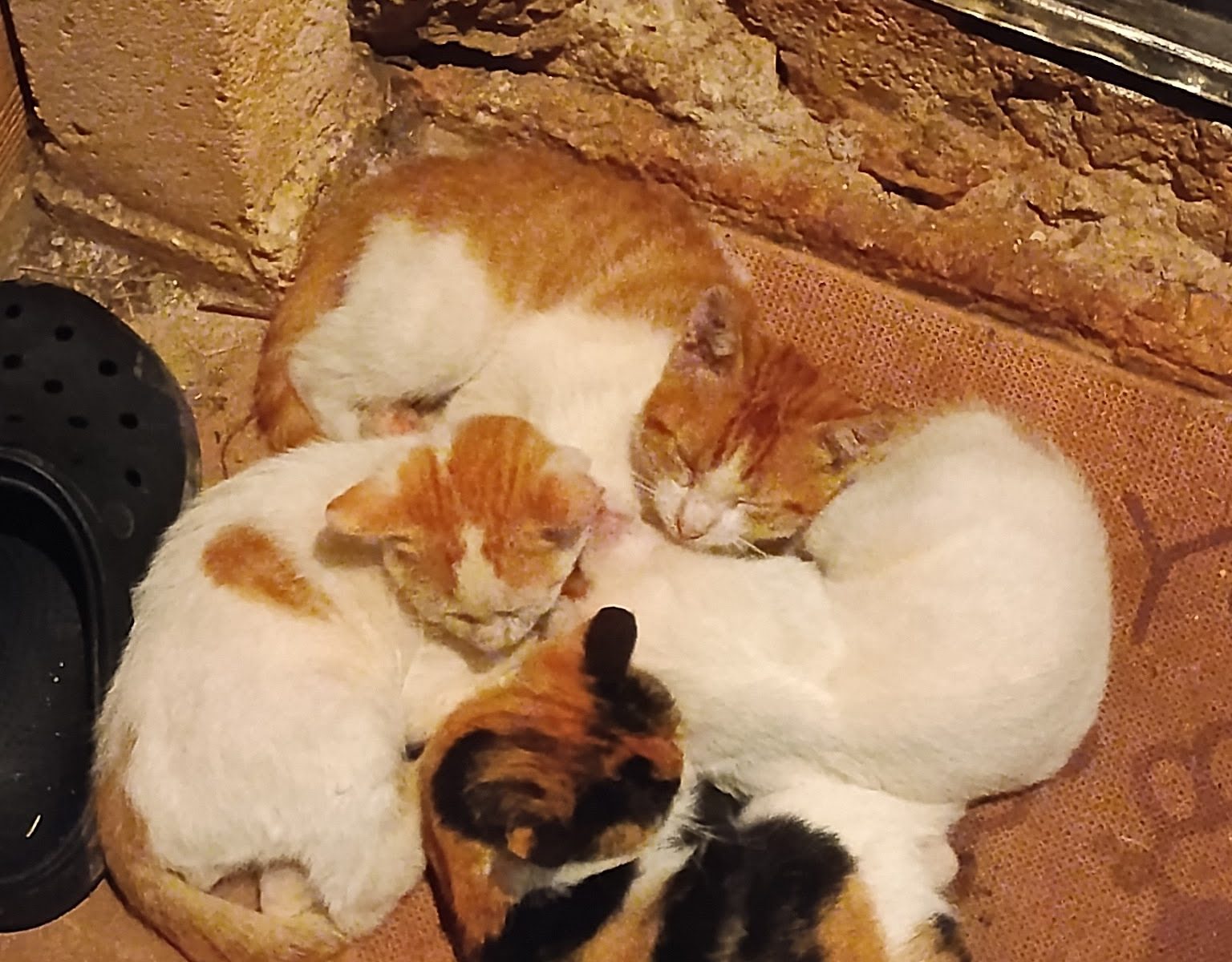
Photography: Chiara Gelmini. Donkey photograph: Ifo Ifoland.
For me, Istria is also a kind of everyday archaeology of the former Yugoslavia: Cedevita vitamin drinks, pašteta (pâté), the smiling Kinder Lada cow surviving for decades on cups and glasses; the konobe (traditional taverns), campsites, pine woods, houses furnished with little concern for whatever happened to be fashionable at the time. And, above all, a philosophy of holidays: simple, just spartan enough, preferably close to the sea, perhaps a little wild and, for those who wanted it, FKK — the German abbreviation used for naturist beaches and campsites.
It was never a luxury paradise. That was rather the point.
Perhaps that familiarity is precisely why the change was so easy to notice.
In August 2026, when I returned to Istria, I had an unusual feeling: where was everybody?
I was there around Ferragosto — 15 August, the symbolic high point of the Italian summer holiday season, when roads towards the coast, campsites and beaches are traditionally at their busiest. Istria was certainly not empty. But it felt remarkably quiet for that particular moment of the year: the roads were less congested than I remembered, the beaches less relentlessly crowded, getting around unexpectedly easy. Even Dragonja, a border crossing between Slovenia and Croatia — a name that, in the memory of many Triestine summers, automatically means “endless queue” — seemed unusually easy to pass through.
There is a practical explanation for the easier border crossing. Croatia joined the Schengen area, where routine internal border checks are normally removed, in 2023. Slovenia later temporarily reinstated checks on its border with Croatia, but announced on 11 June 2026 that they would end at midnight.
But the sense that something had changed did not come from traffic alone.
For several years now, the same observation has circulated among people who regularly holiday in Croatia: it has become very expensive. Alongside it comes another claim, harder to measure: some of those who once returned every summer have begun choosing somewhere else.
What I had noticed in one familiar corner of the Adriatic seemed to point to a broader question: what happens when a destination people have chosen almost by habit stops feeling like the obvious choice?
So I tried to find out how much truth there was in that impression.
The tourists are still there
The numbers complicate the impression. According to the Croatian Bureau of Statistics, Istria County — the Croatian administrative region, rather than the entire peninsula — recorded 26.4 million overnight stays in commercial accommodation in 2019, the last full pre-pandemic year, rising to 28.3 million in 2025. There has been no collapse. Yet the monthly picture is uneven: in May 2026 overnight stays were up 26.1% year on year; in June they were down 10%. Holiday and school calendars may help explain such swings. Two months alone do not establish a lasting shift in when people visit, let alone explain how quiet the coast felt in August.
The tourist is not necessarily disappearing. What may be disappearing is the default tourist.
By that I mean the person who returned every year to the same campsite, the same apartment, perhaps even the same bay, without thinking too much about what the same money might buy somewhere else — valuing familiarity and predictability more than novelty or discovery.
“What may be disappearing is the default tourist.”
Memory has a price
A similar picture emerges in the media of the countries that have supplied Croatian tourism for decades.
In July 2026, Slovenian news outlet 24UR described a Croatia gradually losing its reputation as an affordable destination. Its most interesting observation concerned repeat visitors. Someone arriving for the first time compares Croatian prices with current prices in Italy, Spain or Greece. Someone who has been returning for ten or twenty years also compares them with memory. According to the article, these long-standing visitors most sharply perceive changes in the relationship between what they pay and what they receive. At the same time, bookings are being made later, free cancellation has become more important, and travellers appear increasingly willing to switch countries.
In Austria, public broadcaster ORF reported a more specific observation. Felix König, spokesman for Upper Austria’s travel agencies, observed that more customers are choosing Italy instead of Croatia — not necessarily because Italy is cheap, but because everyday spending in Croatia, particularly on food and drink, has risen so sharply.
Similar concerns had surfaced in Friuli Venezia Giulia, the Italian region that includes Trieste. In summer 2024, RAI’s regional news service, TGR, interviewed travel agencies reporting disappointing sales for Croatia. The reasoning some customers gave was simple: if the holiday is going to cost a lot anyway, they might as well travel farther.
None of these reports tells us how many repeat visitors Croatia has actually lost. The statistics cited here record visitors’ countries of residence, not how many summers someone has spent at the same campsite.
But the recurrence of the same perception in Slovenia, Austria and Italy suggests that some visitors are reconsidering Croatia.
Loyalty can no longer be taken for granted.
How the euro changes the comparison
Croatia adopted the euro on 1 January 2023. For many long-time visitors to the coast, that moment has become the symbolic point at which “everything got expensive”.
Economically, however, the relationship is less straightforward.
Eurostat estimated that the direct effect of adopting the euro on Croatia’s monthly inflation rate in January 2023 amounted to just 0.04 to 0.18 percentage points, with no statistically significant additional effect in February or March. The European Central Bank reached a similar conclusion: the currency changeover had a limited overall impact, even if some services did show unusually large price increases.
At the same time, energy, food, labour and operating costs were all rising as part of an inflationary wave affecting Europe as a whole.
That does not mean the price problem is imaginary. Quite the opposite: Croatian institutions themselves openly acknowledge it.
In 2025, tourism minister Tonči Glavina said that between 2022 and autumn 2024 tourism prices had risen by around 50%, warning that such increases were unsustainable unless accompanied by a corresponding improvement in quality. In May 2026, the government again publicly urged tourism operators to adopt reasonable and competitive pricing.
Perhaps, though, the most interesting effect of the euro is not its effect on inflation.
It is its effect on comparison.
I remember that small mental detour well. With the kuna, Croatia’s former currency, prices belonged to another system. You had to divide, convert, approximate. Before leaving, you remembered the kuna left in a drawer since the previous summer, or stopped at one of the exchange offices on the way. A bill for 300 kuna did not register quite as immediately as one for 40 euros.
Today, a visitor from Trieste, Ljubljana, Vienna or Munich opens a menu and sees the same unit of currency used at home.
You don’t have to wonder what something really costs.
You know.
For visitors from countries outside the euro area, including Sweden, conversion is still part of the calculation — although prices across euro-area destinations are now easier to compare.
And when the price of dinner, an apartment or a day by the sea begins to approach what you would pay in Italy or other Mediterranean destinations, the question changes too.
No longer: Can I afford Croatia?
But: At this price, why Croatia?
More expensive does not mean more valuable
The issue now seems to have reached the centre of Croatian tourism policy. In May 2026, prime minister Andrej Plenković said that, with national totals of roughly 22 million arrivals and 110 million overnight stays, Croatian tourism had reached the limits of quantitative growth and now needed to take the prices of competing Mediterranean destinations seriously.
That could be good news.
Istria does not necessarily need to crowd its beaches, roads and car parks even further for a few weeks each year. Tourism that is less concentrated in July and August, with stays spread more evenly across spring and autumn, could be better for both visitors and residents.
More cautious demand and later bookings do not, by themselves, mean that tourism is becoming more sustainable. But there are signs of greater interest in travel outside peak season. In June 2026, Croatia’s Ministry of Tourism and Sport highlighted the growing importance of travel before and after the summer peak, while warning of more cautious demand in its main international markets and urging operators to offer better value for money.
Annual statistics can therefore remain excellent while the way a destination is chosen and experienced changes profoundly.
But for a place built so strongly on return, numbers are only part of the story. A visitor who comes back to the same coast for ten summers is not simply ten bookings. Habit, familiarity and loyalty are part of the destination’s value. Once that return is no longer automatic, the relationship changes: every new season becomes a fresh comparison with somewhere else.
That is why increasing the value of tourism is not the same thing as simply increasing prices. Becoming more expensive does not mean becoming more valuable.
“Becoming more expensive does not mean becoming more valuable.”
If Istria’s transformation into a higher-value destination meant nothing more than higher prices, standardised services and a generically “premium” aesthetic, it could end up losing precisely what made people return without needing to ask themselves why.
Because I still think of Istria as a blessed land: the slopes planted with olive trees and vines, the red earth, the deep sea and harsh rocks of the coastline; fuži pasta with truffles, walnut liqueur and honey; the pine woods, the konobe and that increasingly rare possibility of imagining a holiday without too many frills.
I do not think Istria needs to become “cheap” again. Nor would chasing new records in visitor numbers at the cost of ever more land and landscape be any less short-sighted.
The challenge is harder: to improve quality without erasing simplicity; to distribute tourism more evenly throughout the year; to make prices correspond to the actual value of the experience; to support what is local and, above all, to protect the landscape that makes everything else possible.
Perhaps the goal should not be to restore the old automatic loyalty, but to give people good reasons to keep choosing to return.
More than anything, I hope it can do so without sacrificing this extraordinary land.
Because perhaps what made a holiday in Istria special was never simply that it cost little.
It was that so little was still enough to feel good.
Sources
Croatian Bureau of Statistics (Državni zavod za statistiku). Tourist Arrivals and Nights in 2019. First Release No. 4.3.2, 28 February 2020. Source for the 2019 figure: Istria County recorded 26.4 million overnight stays in commercial accommodation. Accessed 22 August 2026. Croatian Bureau of Statistics – Tourist Arrivals and Nights in 2019
Croatian Bureau of Statistics (Državni zavod za statistiku). Tourist Arrivals and Nights in Commercial Accommodation, 2025. First Release TUR-2025-1-2, 26 February 2026. Source for the 2025 figure: Istria County recorded 28.3 million overnight stays in commercial accommodation, 29.9% of Croatia’s total. Accessed 22 August 2026. Croatian Bureau of Statistics – 2025 annual data
Croatian Bureau of Statistics (Državni zavod za statistiku). Tourist Arrivals and Nights in Commercial Accommodation, May 2026. First Release TUR-2026-1-1/5, 9 July 2026. Source for the May figure: Istria County recorded 2.3 million nights, up 26.1% year on year. Accessed 22 August 2026. Croatian Bureau of Statistics – May 2026
Croatian Bureau of Statistics (Državni zavod za statistiku). Tourist Arrivals and Nights in Commercial Accommodation, June 2026. First Release TUR-2026-1-1/6, 10 August 2026. Source for the June figure: Istria County recorded 4.3 million nights, down 10.0% year on year; nights by visitors from Germany fell 29.8%. Accessed 22 August 2026. Croatian Bureau of Statistics – June 2026
24UR / POP TV. N.Š., Hrvaška: turisti čakajo popuste ali odhajajo drugam? [Croatia: Are tourists waiting for discounts or going elsewhere?], 21 July 2026. Source for the discussion of repeat visitors, price comparisons and changing booking habits. This report draws on other media accounts; it is not a survey of visitor loyalty. Accessed 22 August 2026. 24UR – Hrvaška: turisti čakajo popuste ali odhajajo drugam?
ORF Oberösterreich. Hohe Nachfrage: Italien-Urlaub wird teurer, 25 June 2026, updated 25 June 2026. The section on switching from Croatia to Italy reports Felix König’s observations about customers’ destination choices and rising food and drink costs in Croatia. Accessed 22 August 2026. ORF – Hohe Nachfrage: Italien-Urlaub wird teurer
RAI News – TGR Friuli Venezia Giulia. Lillo Montalto Monella, Viaggi d’estate: giù la Croazia, su Grecia ed Egitto, 23 August 2024. Interviews with regional travel agencies on disappointing sales for Croatia, higher prices and interest in more distant destinations. Accessed 22 August 2026. RAI TGR FVG – Viaggi d’estate: giù la Croazia, su Grecia ed Egitto
Eurostat. Euro changeover and inflation in Croatia, October 2023. Technical note estimating a 0.04–0.18 percentage-point effect on monthly inflation in January 2023, with no statistically significant additional effect in February or March. Accessed 22 August 2026. Eurostat – Euro changeover and inflation in Croatia (PDF)
European Central Bank. Matteo Falagiarda, Christine Gartner, Ivan Mužić and Andreja Pufnik, Has the euro changeover really caused extra inflation in Croatia?, The ECB Blog, 7 March 2023. Finds a relatively small overall changeover effect, concentrated mainly in services. Accessed 22 August 2026. ECB – Has the euro changeover really caused extra inflation in Croatia?
Government of the Republic of Croatia. Cjenovna konkurentnost turizma važna za turističku godinu i održivost [Tourism price competitiveness is important for the tourist year and sustainability], 14 March 2025. Reports Tonči Glavina’s statement that tourism prices rose by around 50% between 2022 and autumn 2024, alongside his call for better quality and less seasonal concentration. Accessed 22 August 2026. Government of Croatia – Cjenovna konkurentnost turizma važna za turističku godinu i održivost
Government of the Republic of Croatia. Hrvatski turizam dosegao je limit svog rasta; ključno je voditi pametnu cjenovnu politiku [Croatian tourism has reached the limit of its growth; smart pricing policy is key], 12 May 2026. Reports Andrej Plenković’s remarks on national totals of roughly 22 million arrivals and 110 million overnight stays, and on competitive pricing. Accessed 22 August 2026. Government of Croatia – Hrvatski turizam dosegao je limit svog rasta
Government of the Republic of Croatia / Ministry of Tourism and Sport. U Hrvatskoj tijekom prvih pet mjeseci ostvareno 7 posto više noćenja [Croatia recorded 7 percent more overnight stays in the first five months], 9 June 2026. Source for more cautious demand in key international markets, competitive pricing and the growing importance of travel before and after the summer peak. Its eVisitor figures include commercial and non-commercial accommodation and nautical charter. Accessed 22 August 2026. Government of Croatia – First five months of 2026
Government of the Republic of Slovenia – Ministry of the Interior and Public Administration. Government lifts checks at borders with Croatia and Hungary, 11 June 2026. Official announcement that temporary border checks would end at midnight following the 11 June decision. Accessed 22 August 2026. GOV.SI – Government lifts checks at borders with Croatia and Hungary
Council of the European Union. Schengen area: Council decides to lift border controls with Croatia, 8 December 2022. Official source for the removal of internal land and sea border controls with Croatia from 1 January 2023. Accessed 22 August 2026. Council of the EU – Schengen area: Croatia
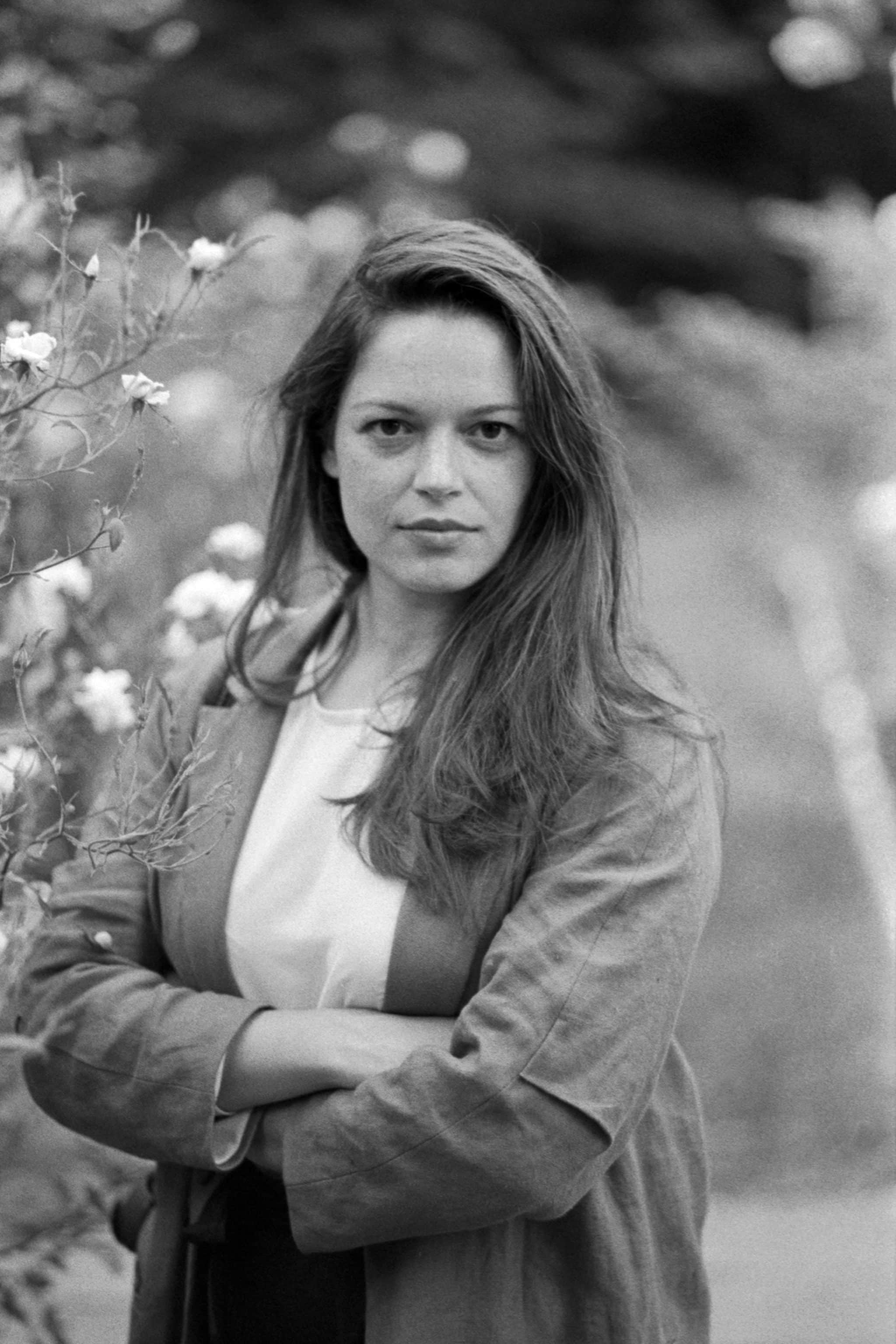
Chiara Gelmini is an Italian art writer, curator and interdisciplinary artist. With a background in visual and performing arts and aesthetics, she works across contemporary art, music, performance and cultural education. Her work is shaped by travel, cultural crossings and the porous thresholds between places, disciplines and artistic languages. Her writing explores the relationships between artworks, exhibition contexts and audiences, and art as a space for encounter. Read more articles by Chiara Gelmini here.
Samtliga artiklar i Critical Point #14+15
Sofia Thoresdotter: Hur kan du veta det? Om språket, makten och det heliga seendet
Emil Erdtman: Freedom Drive i Bryssel – rätten att bestämma över sitt eget liv
Jakob Wood: Psykologens intellektuella ansvar att tänka själv
Channa Bankier: Bländad av det asiatiska ljuset – drömmen om (det maoistiska) Kina
Ulf B Andersson: Krigets långa skugga över Balkan
Chiara Gelmini: Emma Bonino’s Legacy: The Responsibility to Defend Rights and Freedom
Mira Horovitz: I släktens spår i Budapest
Mira Horovitz: Sörjbara liv och värdighet vid livets slut
Sonia Engström: Szymon Laks – musiken som räddade och återskapade liv
Massood Mafan: Så länge någon läser henne, finns Shahrnush Parsipur kvar
Simon Carlfjord: Fimbulvintern är gryningens svarta mjölk
Anna Celander: Ur tjänstedagboken – samtal kring papperskonservering
Sara Shamloo: Sex frågor om fotografi till István Molnár
István Molnár: Utdrag ur István Molnárs ”Bilderbok”
Petra Werner: Former av närvaro
Carolina Hindsjö: Mellan minne och utopi – Carolina Hindsjö på Platforms Project i Aten
Chiara Gelmini: Istria and the Price of Returning
Anna Wallsten: Ingen går i LA – utom jag
Henrik Johansson: Arbetarlitteratur mellan Sverige och Italien
Ulf B Andersson: Ellen Key – högaktuell hundra år efter sin död
Emil Erdtman: Nyskrivet: Folkhögskolan där vi formades – ett återbesök
Madeleine Engström Broberg: Musikalisk folkbildning i Ransäter
Tisdagspoeterna: Dikter från ett vardagsrum på Södermalm
Sam Carlquist: Om poetik
Sam Carlquist: Nyskrivet: Homage till Jean Genet
Simon Carlfjord: Språkmodeller som språkvärldar
Sara Shamloo: Sex frågor till Jonas Rasmussen om poesi
Jonas Rasmussen: Nyskrivet: Se men också röra
Soly Erlandsson: Samlade fågelobservationer i en trädgård
Eva Hildursmark (text) och Mickael Fredblad (foto): Fågelsång Sverige runt