Vienna, September 1938: Eli Getreu’s Diary, Part VI

By Eli Friedrich Getreu (1920–2005)

Translated from German, edited and annotated by Öyvind Vågen.

These September 1938 entries return to the beginning of Eli Getreu’s diary. Music, youth-movement life and plans to leave Vienna mingle with his love for Vera, who departs for Palestine before him. His account of their parting is followed by a letter written in the city she has left behind.

Eli Getreu grew up in a Jewish family in Vienna and belonged to a Zionist youth movement preparing young people for agricultural life in Palestine. These excerpts form part of the diary project being developed by his grandson, the writer and literary translator Öyvind Vågen.

This is the English counterpart of Part VI of the Swedish series, first published on Critical Point on 2026-03-26. The diary text and annotations follow the current English edition.

Eli Getreu in the handstand photograph mentioned in his diary
The diarist in the handstand photograph mentioned in his letter of 23 September. Photograph: private collection.
Fortsätt läsa ”Vienna, September 1938: Eli Getreu’s Diary, Part VI”

Christmas 1938 in Denmark: Eli Getreu’s Diary, Part V

By Eli Friedrich Getreu (1920–2005)

Translated from German, edited and annotated by Öyvind Vågen.

Newly arrived on a Danish farm, Eli Getreu spends Christmas with Saaby, Agnes and their young son Regner. Music, farm work and winter landscapes bring moments of companionship, but also sharpen his longing for Vera, his family and the Jewish community he has left behind.

Eli Getreu grew up in a Jewish family in Vienna and belonged to a Zionist youth movement preparing young people for agricultural life in Palestine. These excerpts form part of the diary project being developed by his grandson, the writer and literary translator Öyvind Vågen.

This is the English counterpart of Part V of the Swedish series, first published on Critical Point on 2025-12-14. The diary text and annotations follow the current English edition.
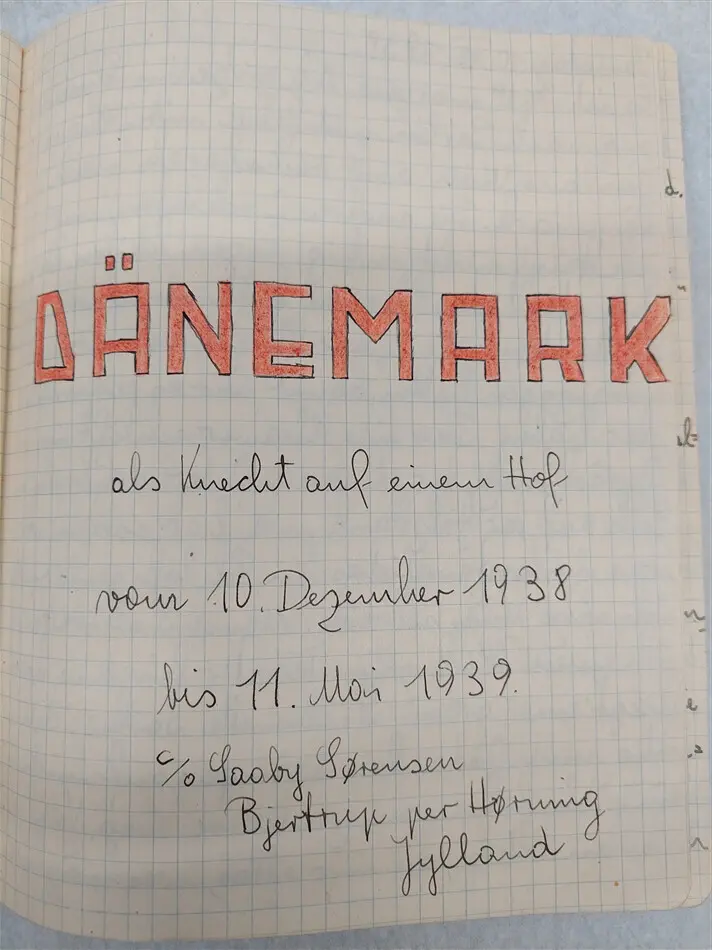
Handwritten diary page headed Dänemark, with the dates of Eli’s stay and Saaby Sørensen’s address
The opening page of the diary’s Denmark section, covering 10 December 1938 to 11 May 1939.
Fortsätt läsa ”Christmas 1938 in Denmark: Eli Getreu’s Diary, Part V”

Denmark, January 1939: Eli Getreu’s Diary, Part IV

By Eli Friedrich Getreu (1920–2005)

Translated from German, edited and annotated by Öyvind Vågen.

On a Danish farm in January 1939, Eli Getreu learns to milk cows and drive a sled while struggling with loneliness and the absence of his friends. Moments of warmth with the farmer’s family sit beside the testimony of fellow refugees and the news of persecution elsewhere.

Eli Getreu grew up in a Jewish family in Vienna and belonged to a Zionist youth movement preparing young people for agricultural life in Palestine. These excerpts form part of the diary project being developed by his grandson, the writer and literary translator Öyvind Vågen.

This is the English counterpart of Part IV of the Swedish series, first published on Critical Point on 2025-09-23. The diary text and annotations follow the current English edition.

Handwritten diary page headed Dänemark, with the dates of Eli’s stay and Saaby Sørensen’s address
The opening page of the diary’s Denmark section, covering 10 December 1938 to 11 May 1939.
Fortsätt läsa ”Denmark, January 1939: Eli Getreu’s Diary, Part IV”

England, May–June 1939: Eli Getreu’s Diary, Part III

By Eli Friedrich Getreu (1920–2005)

Translated from German, edited and annotated by Öyvind Vågen.

In May 1939, Eli Getreu travelled from Denmark to England to visit his parents, who had escaped from Nazi-annexed Austria. Writing to Nachum and Vera, he describes the sea crossing, English life, loneliness and his changing understanding of love.

Eli Getreu grew up in a Jewish family in Vienna and belonged to a Zionist youth movement preparing young people for agricultural life in Palestine. These excerpts form part of the diary project being developed by his grandson, the writer and literary translator Öyvind Vågen.

This is the English counterpart of Part III of the Swedish series, first published on Critical Point on 2025-06-23. The diary text and annotations follow the current English edition.

Eli and his sister Tirzah as children
Eli and his sister Tirzah as children. Photograph: private collection.
Fortsätt läsa ”England, May–June 1939: Eli Getreu’s Diary, Part III”

A Train Through Germany: Eli Getreu’s Diary, Part II

By Eli Friedrich Getreu (1920–2005)

Translated from German, edited and annotated by Öyvind Vågen.

In December 1938, Eli Getreu left Vienna for Denmark to train as a farm worker. These entries follow his arrival across the border and his first days on a Danish farm, where the exhilaration of work and freedom coexists with memories of persecution.

Eli Getreu grew up in a Jewish family in Vienna and belonged to a Zionist youth movement preparing young people for agricultural life in Palestine. These excerpts form part of the diary project being developed by his grandson, the writer and literary translator Öyvind Vågen.

This is the English counterpart of Part II of the Swedish series, first published on Critical Point on 2025-04-07. The diary text and annotations follow the current English edition.

Eli Getreu’s alien’s passport from 1943
A well-used alien’s passport issued on arrival in Sweden in 1943.
Fortsätt läsa ”A Train Through Germany: Eli Getreu’s Diary, Part II”

Kristallnacht — A Day in Vienna: Eli Getreu’s Diary, Part I

By Eli Friedrich Getreu (1920–2005)

Translated from German, edited and annotated by Öyvind Vågen.

On 10 November 1938, eighteen-year-old Eli Getreu recorded the November pogrom in Vienna as events unfolded around him. His diary moves between the streets, his family’s flat and the precarious safety of friends and neighbours.

Eli Getreu grew up in a Jewish family in Vienna and belonged to a Zionist youth movement preparing young people for agricultural life in Palestine. These excerpts form part of the diary project being developed by his grandson, the writer and literary translator Öyvind Vågen.

This is the English counterpart of Part I of the Swedish series, first published on Critical Point on 2024-12-31. The diary text and annotations follow the current English edition.

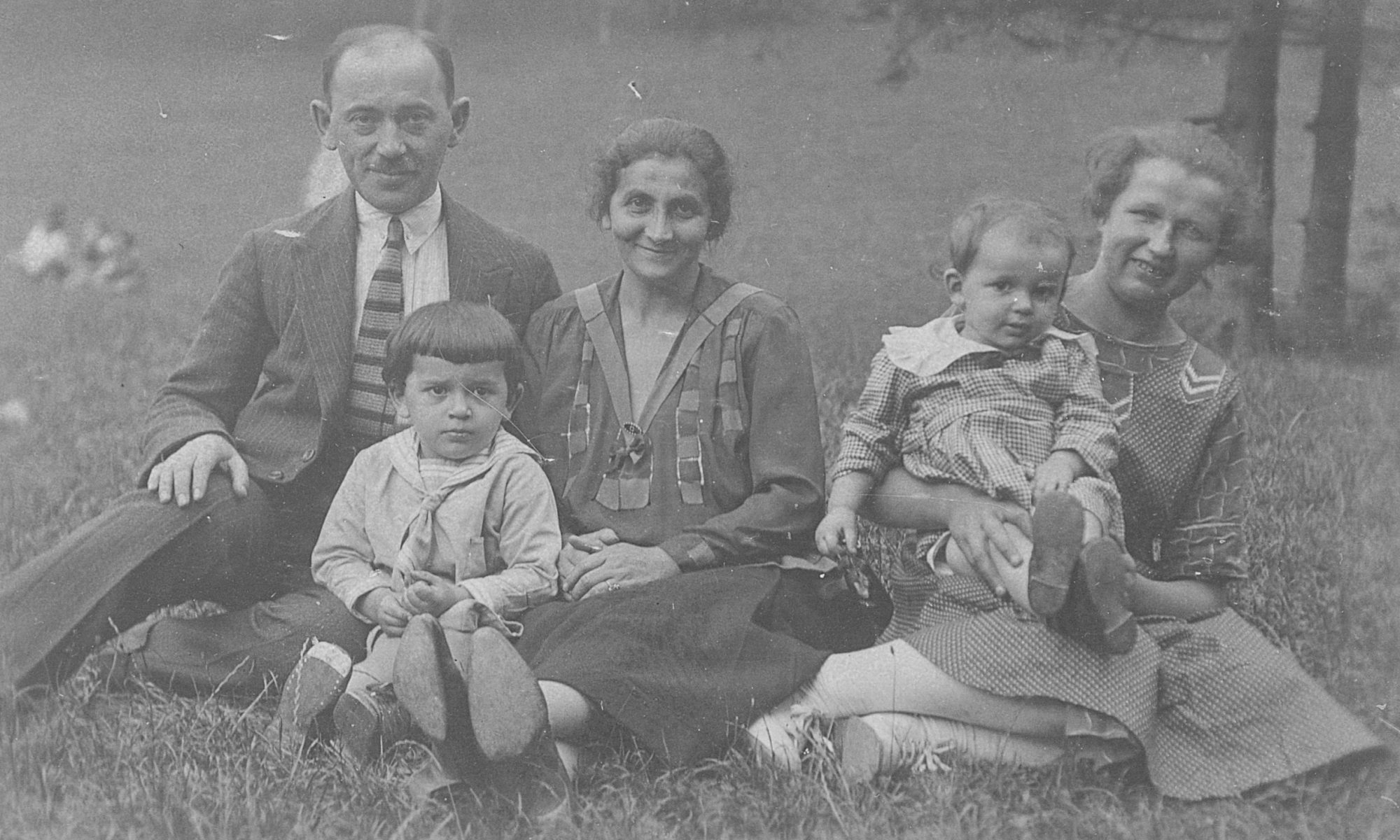
The Getreu family in Vienna in the late 1920s
The Getreu family in Vienna in the late 1920s. Photograph: private collection.
Fortsätt läsa ”Kristallnacht — A Day in Vienna: Eli Getreu’s Diary, Part I”

Emma Bonino’s Legacy: The Responsibility to Defend Rights and Freedom

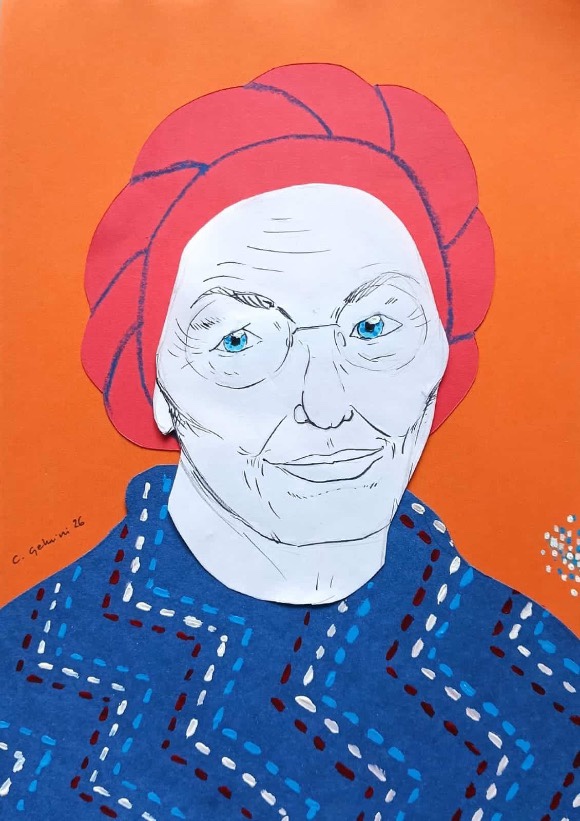
From the struggle for abortion rights in Italy to the campaign for a more united Europe, Emma Bonino treated freedom as a responsibility, not a settled achievement. A personal remembrance of a politician whose causes mattered more to her than their electoral rewards.

By Chiara Gelmini

I remember Emma Bonino from Italian television long before I properly understood who she was.

Growing up in Italy in the 1990s, I would see this small, determined woman on screen with an unmistakable voice and presence. On television, so often dominated by entertainment, spectacle and frivolity, she stood out to me. She was serious without being solemn, stubborn without seeming particularly interested in pleasing anyone, and above all independent in thought.

Fortsätt läsa ”Emma Bonino’s Legacy: The Responsibility to Defend Rights and Freedom”

Istria and the Price of Returning

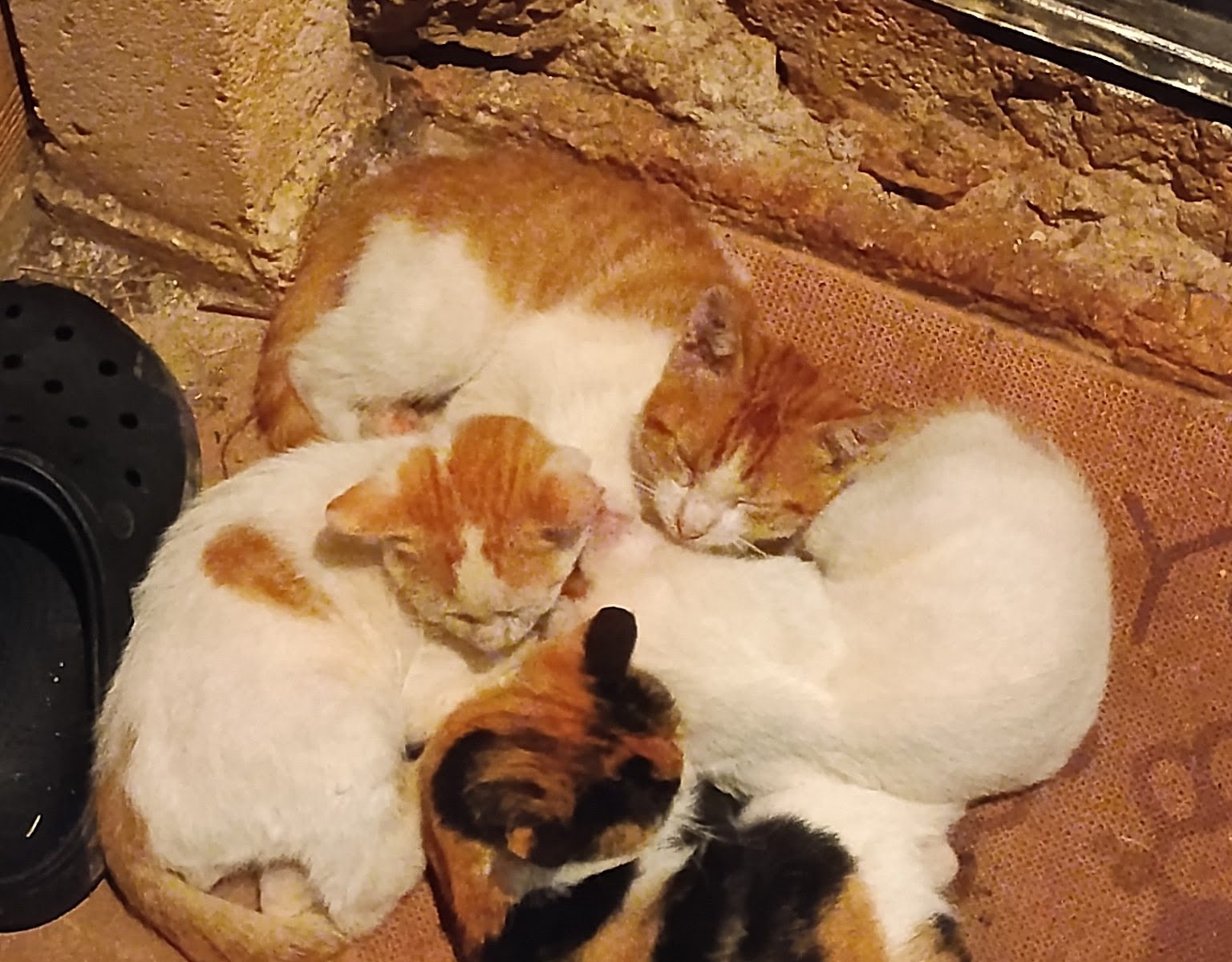
Cats curled up together on a doorstep

For generations, Istria was the holiday people returned to without a second thought. As prices rise, that familiarity faces a new test: what makes a place worth coming back to?

By Chiara Gelmini

I grew up in Trieste, a city in north-eastern Italy at the northern end of the Adriatic, only a few kilometres from the Slovenian border, where Istria has always occupied a peculiar place in people’s lives: unmistakably across a border, yet never entirely foreign. For much of the twentieth century, crossing that border was anything but casual. After the Second World War, the area around Trieste was divided between Allied-administered Zone A and Yugoslav-administered Zone B, while the post-war settlement was accompanied by the Istrian exodus, before the border arrangement was stabilised in 1954. Yet the land beyond it remained deeply familiar — through language, food, shared habits and family histories that long predated the political lines drawn across the region.

Istria is therefore not only part of Trieste’s geography of summer, but of its family geography too: many people from Trieste have parents, grandparents or earlier generations who were born there. And this culture of return extends far beyond Trieste. For generations, Croatians, Slovenians, Italians, Germans, Austrians and visitors from further north in Europe have made parts of the peninsula their second summer home, often returning to the same village, campsite, apartment or stretch of coast year after year.

Fortsätt läsa ”Istria and the Price of Returning”

It’s Written on the Wall I – Street Art the Riga Edition

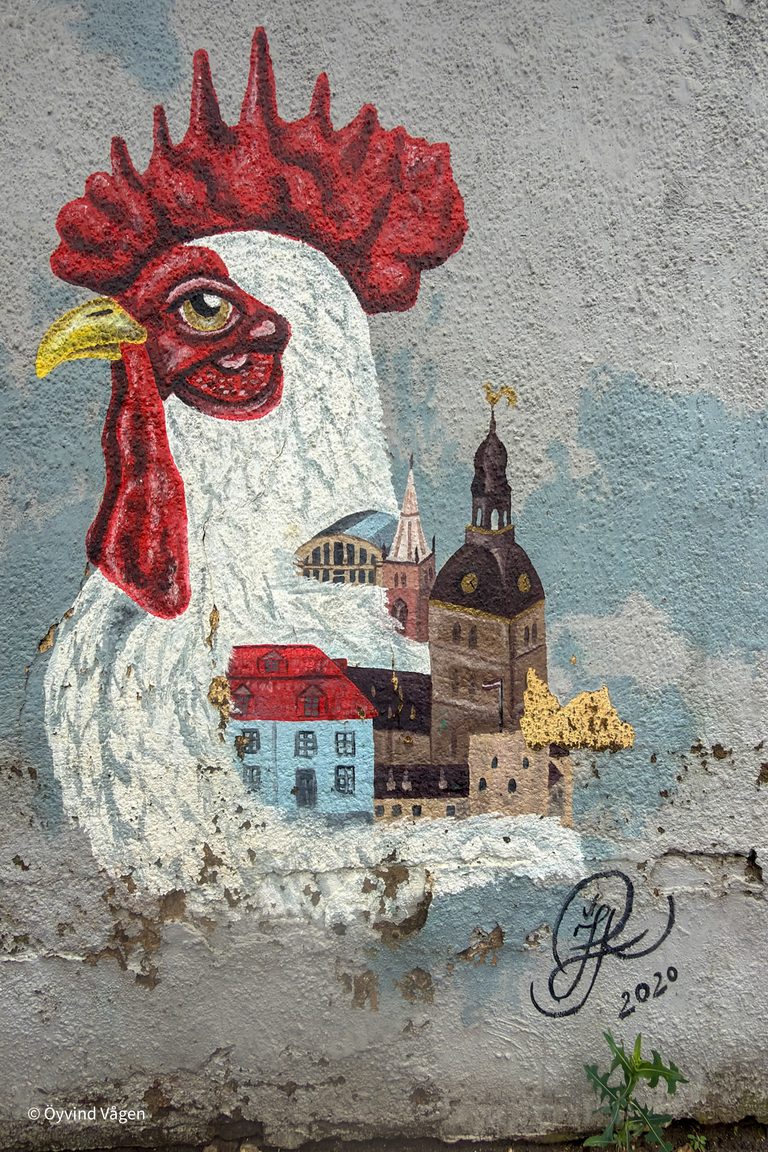
This photo gallery from the streets of Riga is the first instalment in a series of four focusing on street art and wall scribblings around the world; the next three will be Rome, Berlin and Athens. As part of this project, we are embracing the vibrant energy of street art in general, and wall slogans as a way to amplify unheard voices. This concept is akin to what we call ’Written on the Wall’.

By Öyvind Vågen

From the secret symbols of Christians in the Catacombs of Rome, through Mexican murals and the wall newspapers of the Chinese Cultural Revolution, to today’s mix of abandoned and provocative slogans and aphorisms, wall slogans have travelled back and forth between the voice of power and the megaphones of the poor. We explore this in a photo essay series that depicts and reflects on graffiti from around the world. This, too, is true to the magazine’s name and purpose: a kind of critical dialogue conducted through marginal notes, graffiti on the fringes of existence, if you will. When we started this cultural journal back in 2018, one of the core ideas was to revisit and highlight the concept of writing – or, as it more often is, scribbling – on the wall as a form of a layperson’s wall newspaper, but the idea really did not materialise, despite the occasional blog post, until now.

Fortsätt läsa ”It’s Written on the Wall I – Street Art the Riga Edition”

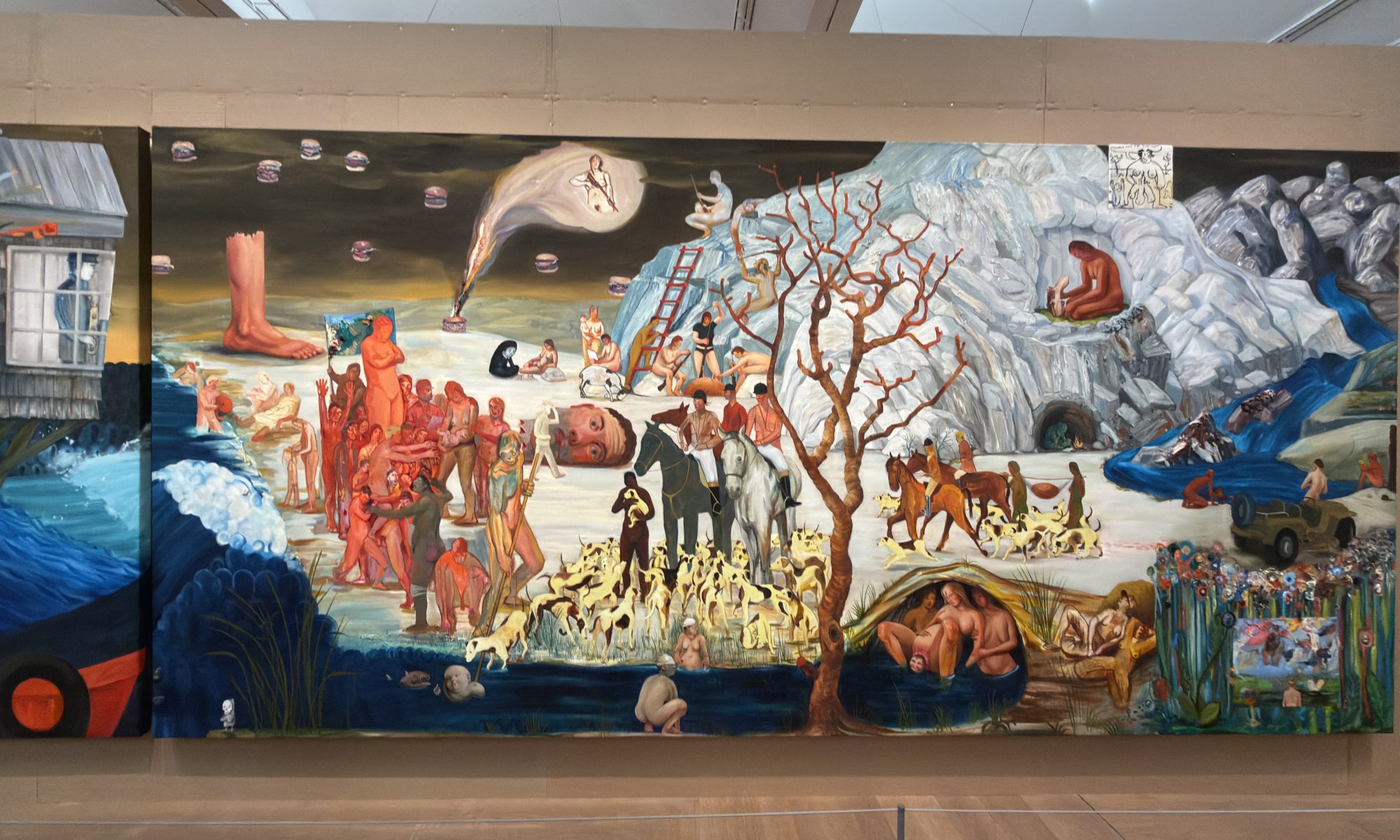
House of Nisaba: New Stories of Painting 

House of Nisaba: New Stories of Painting at Moderna Museet asks what figurative painting can still do in a fractured present. Our new art correspondent, Chiara Gelmini, follows the exhibition as a temporary house of images, where myth, memory, politics, bodies, and allegory become tools for thinking when linear narratives no longer suffice.

By Chiara Gelmini

How is painting doing today?

It is with this question that I enter House of Nisaba: New Stories of Painting. Curated by Hendrik Folkerts, currently Chief Curator of Programme at Kunsthaus Zürich, the exhibition is co-organised by Moderna Museet and Kunsthaus Zürich, where it will be presented in 2027. The project, therefore, takes the form of a passage: not only between two institutions, but also between different questions concerning painting, narrative and the capacity of images to produce knowledge in the present. 

Fortsätt läsa ”House of Nisaba: New Stories of Painting ”

Welcome to Art Basel 2026? Inside and Outside the Fair

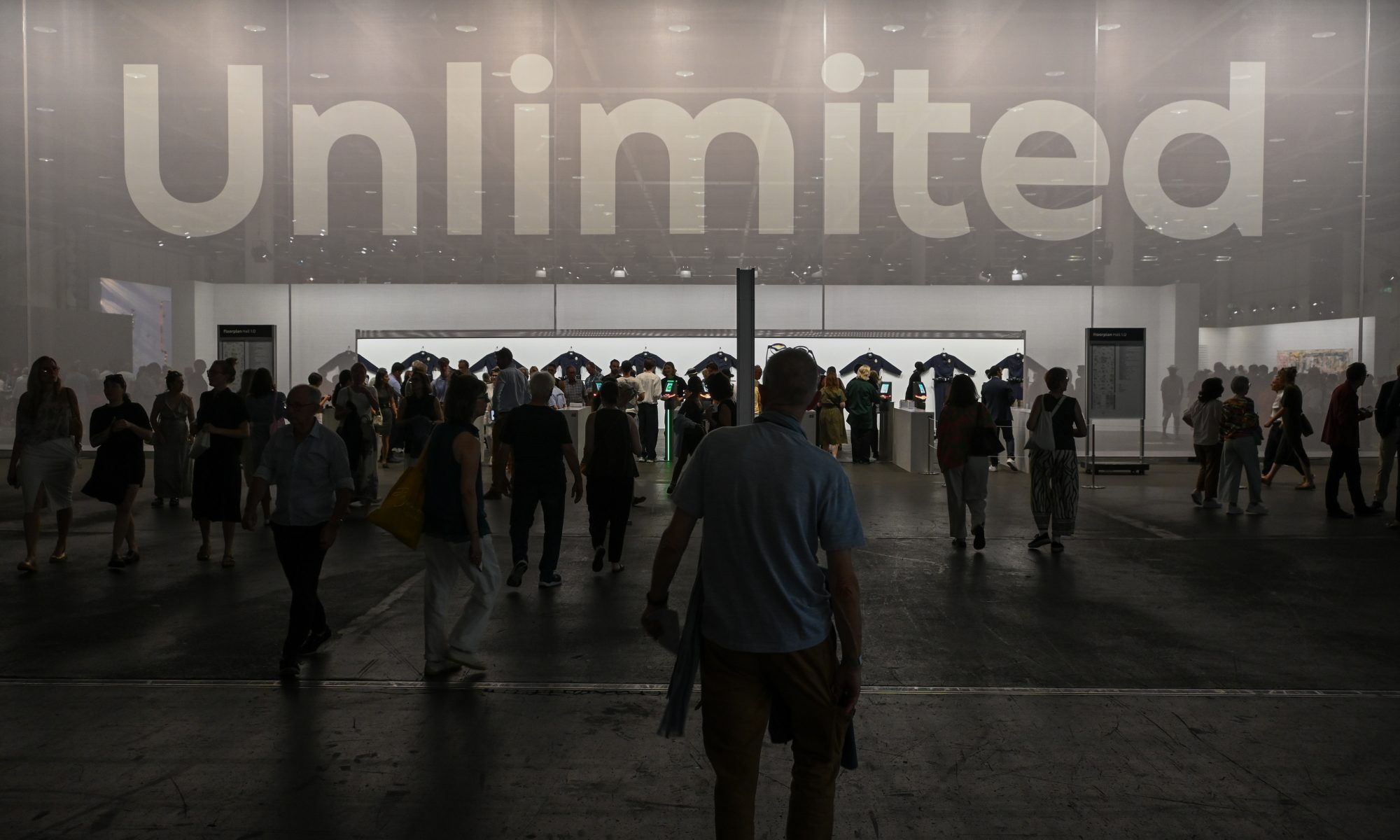
Art Basel gives the public rare physical proximity to the places where contemporary art is priced, ranked, and consecrated. The harder question is whether that proximity also becomes access.

By Chiara Gelmini

Seeing the market, encountering art, crossing the city

During its preview days (16–17 June) and public days (18–21 June), Art Basel 2026 attracted 90,000 visitors. In the halls of Messe Basel, 290 galleries from 43 countries and territories gathered alongside collectors, curators, museum directors, artists, and representatives of more than 270 international institutions. During the fair’s opening hours, Hauser & Wirth sold Pablo Picasso’s Le peintre et son modèle dans un paysage (1963), offered with an asking price of $35 million.

Read more of our English content here and more of our art content here.

Fortsätt läsa ”Welcome to Art Basel 2026? Inside and Outside the Fair”

The banality of helplessness? – Reading Hannah Arendt through the Iranian diaspora

Blå och vit flagga med lejon

By Pantea Rinnemaa

Not until recently did I truly understand what Hannah Arendt meant by the banality of evil. Until then, I had not recognised how quietly, how efficiently, banality works—not only through bureaucrats and systems, but through fatigue, distance, and the slow erosion of outrage.

Fortsätt läsa ”The banality of helplessness? – Reading Hannah Arendt through the Iranian diaspora”

Is it possible to move on after the Holocaust? A psychological perspective on the ongoing disaster in Gaza.

By Soly Erlandsson

Editorial note: This essay was written in August 2025 and reflects the situation and information available at that time.

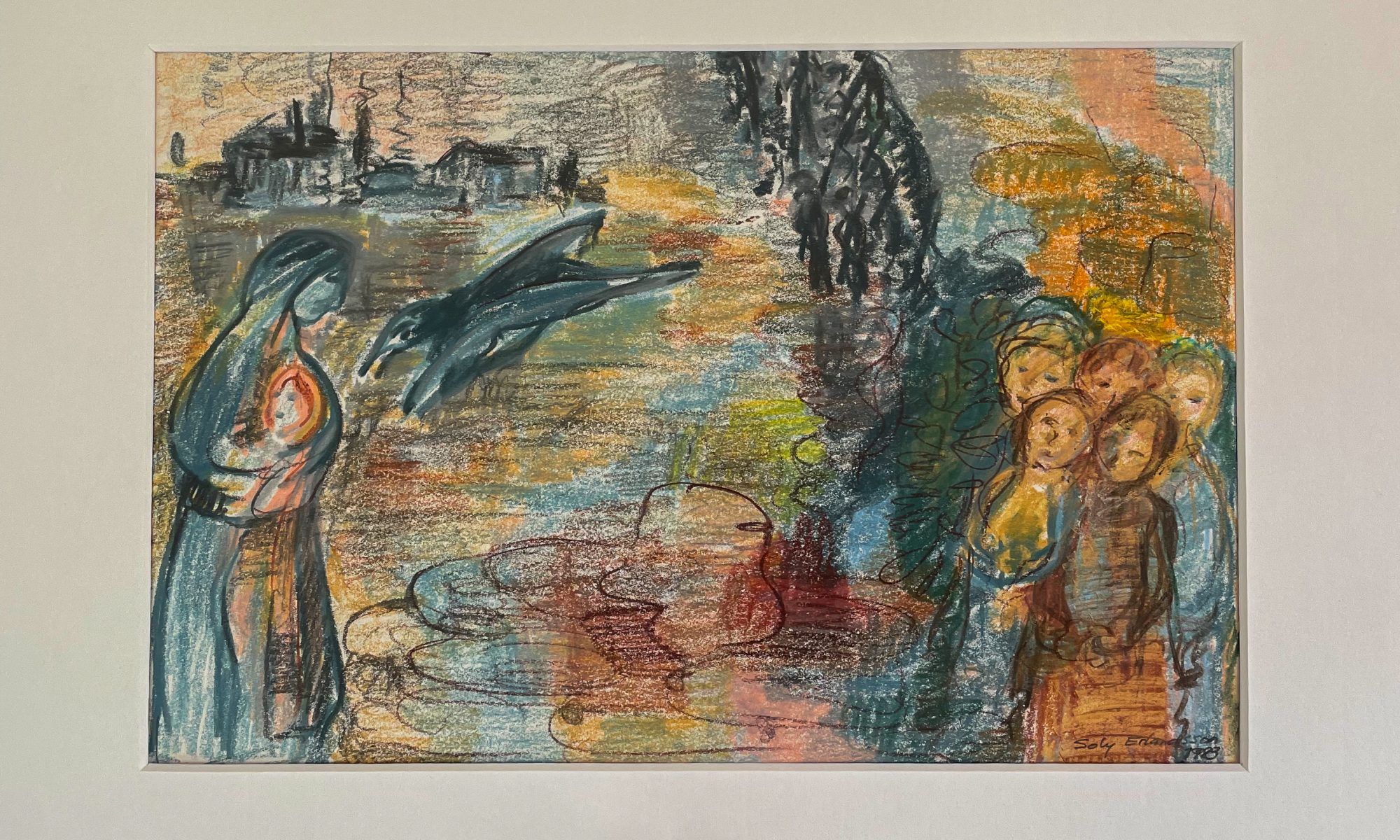
Soly Erlandsson, Untitled, 1983. Chalk on watercolour canvas. Inspired by the author’s involvement in Amnesty. 

“Why can we never stop worrying about Nazism?” That question begins Birgitta Almgren’s highly readable book about Sweden and Nazi Germany: Drömmen om Norden: Nazistisk infiltration i Sverige 1933–1945 (Carlssons, 2005; title translated: The Dream of the North: Nazi Infiltration in Sweden 1933–1945). Her question is justified and relevant to me, since Nazi Germany’s crimes against the Jews of Europe have never left me unmoved, despite the years that have passed. On my bookshelf are rows of books about the Second World War, about Hitler’s grandiose ideas of a thousand-year empire, about how people who were considered inferior and did not belong to the Aryan race were forcibly transferred to concentration and labour camps in Germany and occupied Austria, France and Poland. Despite reading detailed, expert and deeply shocking accounts of Nazi Germany, and the unforgivably cruel treatment of European Jews, I have never been able to fully understand how this could continue – in plain sight – for so many years. 

Fortsätt läsa ”Is it possible to move on after the Holocaust? A psychological perspective on the ongoing disaster in Gaza.”

Ecosystems in crisis – Who takes responsibility for our future, and can the balance be restored?

How do our choices and political decisions affect the balance of nature? What does sustainable development mean in practice – and are we prepared to make the choices and sacrifices required to save our planet? Soly Erlandsson discusses our contemporary relationship to the environment, drawing on Georg Henrik von Wright’s eco-philosophy.

By Soly Erlandsson

Humans’ role in nature is pale and not at all prominent. Surely it is meant that we should, to some extent, merge with our origins? In ourselves, we are not strong. Therefore, we take our strength from the surrounding elements – a kind of human chlorophyll, which gives us colour and nourishment (Foto: privat. Text: Soly Erlandsson, 1973).
Fortsätt läsa ”Ecosystems in crisis – Who takes responsibility for our future, and can the balance be restored?”

‘When The Last Letter Is Gone / The Last of The Demons Is Done’

Isaac Bashevis Singer (circa 1980), photo: Gotfryd Bernard

I. B. Singer’s short story ‘The Last Demon’ appears on the surface to be exactly what it says it is: a (very) short story about a demon that is the last of his kind dealing with the quandary concerning what demons should do and why there even should be demons when ‘man himself is a demon.’ In much the same vein, Adorno once deemed it ‘barbaric to write poetry after Auschwitz’—not impossible, as is often claimed, a reading later challenged or qualified. Primo Levi, in turn, said, ‘After Auschwitz, it is no longer possible to write poetry except about Auschwitz.’

Fortsätt läsa ”‘When The Last Letter Is Gone / The Last of The Demons Is Done’”