
The Stockholm Film Festival is only just getting going. In her first report, Chiara Gelmini discovers Bertil Nilsson’s Masc, a gentle exploration of masculinity, belonging and the effort of fitting in.
By Chiara Gelmini

On Wednesday, passersby on Drottninggatan craned their necks to catch a glimpse of actors and directors on the red carpet beneath the neon of Bio Skandia. The opening-night carpet has been rolled up, but the queues across central Stockholm haven’t thinned. The festival is only just getting going.
From 11 to 22 November, the Stockholm International Film Festival is showing more than 130 films across the city. Founded in 1990 to give innovative and underground cinema a wider audience in Scandinavia, the festival is now in its 37th edition, with first features making up more than a third of the programme.

Masc: the quiet work of fitting in
This year’s Spotlight, Daddy Issues, looks at the changing role of fathers. Bertil Nilsson’s debut feature Masc, in the Discovery section, widens the frame to ask what it means to be a man in the first place. The title is short for masculine and also suggests masking, the quiet work of fitting in. The question of performance begins with something as small as a borrowed gesture.
“The question of performance begins with something as small as a borrowed gesture.”
Joshua Griffin plays Robin, a young Londoner who is queer, autistic and mixed-race, caught between many definitions of who he should be. He watches other men closely, sometimes trying out their gestures. Small misunderstandings at work and in moments of intimacy show how much effort goes into guessing what people expect of him. Griffin lets us see that effort in the pause before Robin answers.
What won me over was how gently the film lets you into Robin’s days, and how it keeps you wondering what he and the men he befriends want from each other. Theatre becomes the place where he risks dancing the way he does when he’s alone. And what if someone there noticed his movements and joined in?
Next screenings of Masc
Wednesday 18 November, 17:30 · Biograf Saga, Screen 3 · Face2Face with director Bertil Nilsson
Saturday 21 November, 14:15 · Biograf Sture, Screen 2
Festival programme and tickets
Read more by Chiara Gelmini
Ciao ciao Italia! No Country for Young People
Sweets for the Dead, Songs for the Living
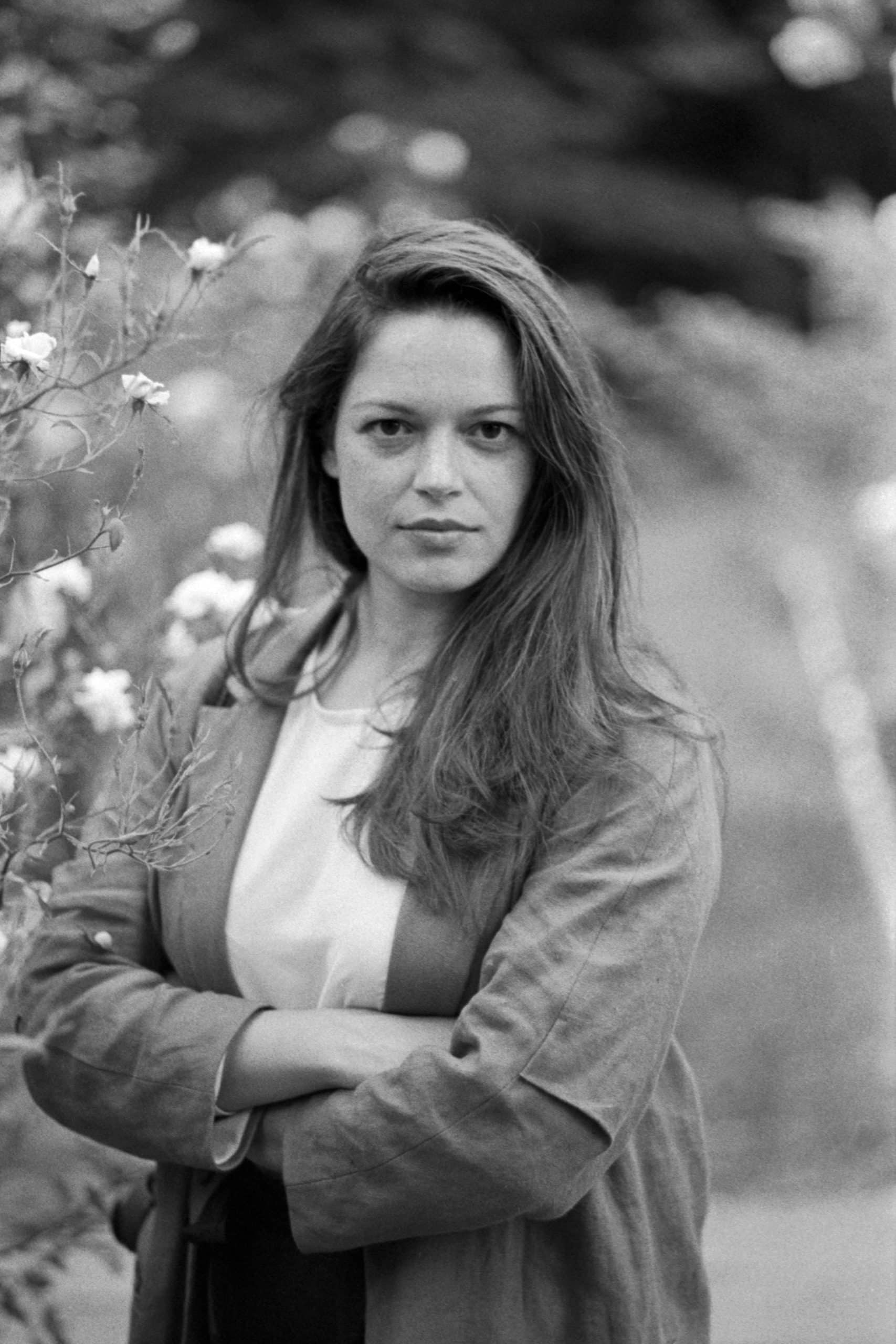
Chiara Gelmini is an Italian art writer, curator and interdisciplinary artist. With a background in visual and performing arts and aesthetics, she works across contemporary art, music, performance and cultural education. Her work is shaped by travel, cultural crossings and the porous thresholds between places, disciplines and artistic languages. Her writing explores the relationships between artworks, exhibition contexts and audiences, and art as a space for encounter. Read more articles by Chiara Gelmini.