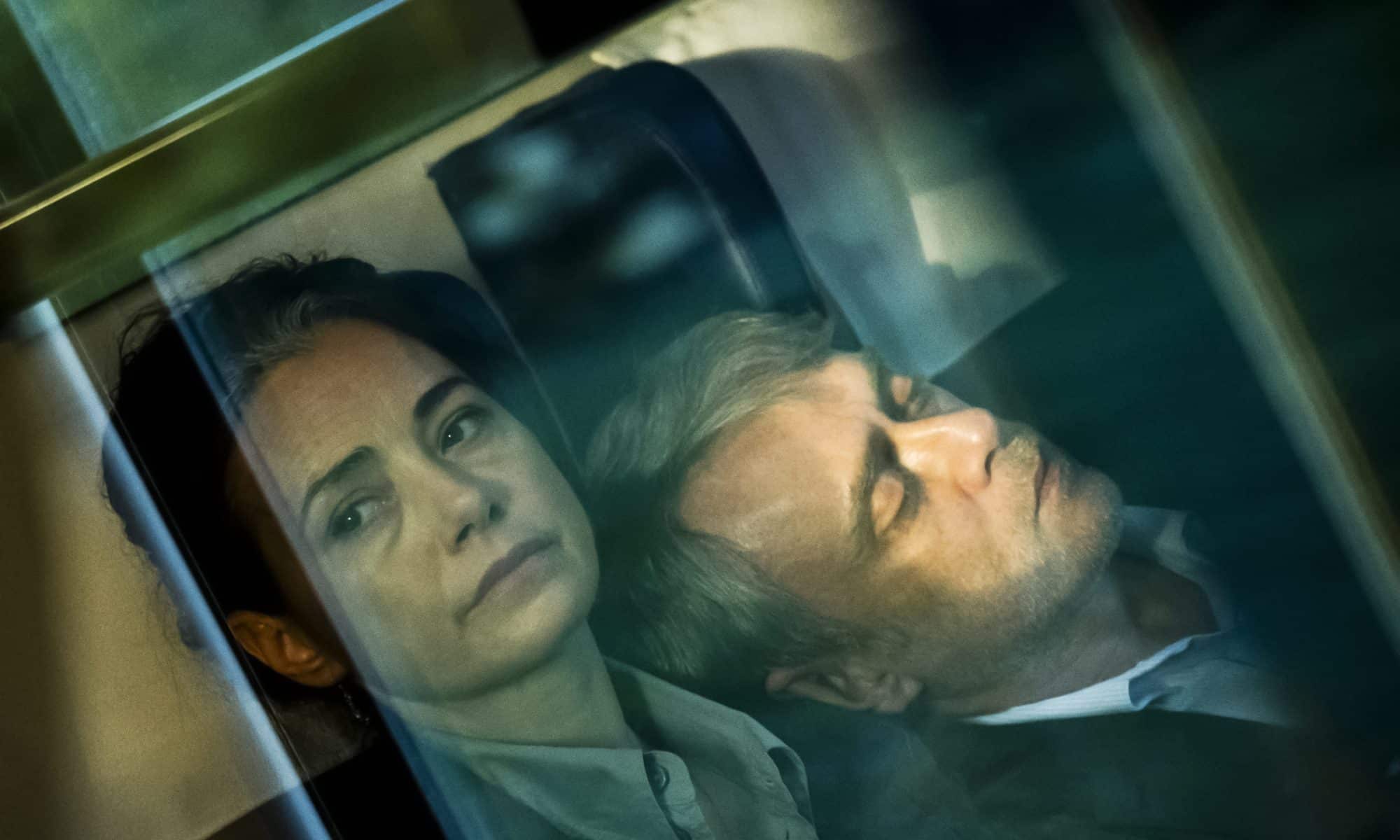
What happens when the state walks into an artist’s home? In her second report from the Stockholm Film Festival, Chiara Gelmini explores artistic freedom and solidarity in Yellow Letters and The Friend’s House Is Here.
By Chiara Gelmini
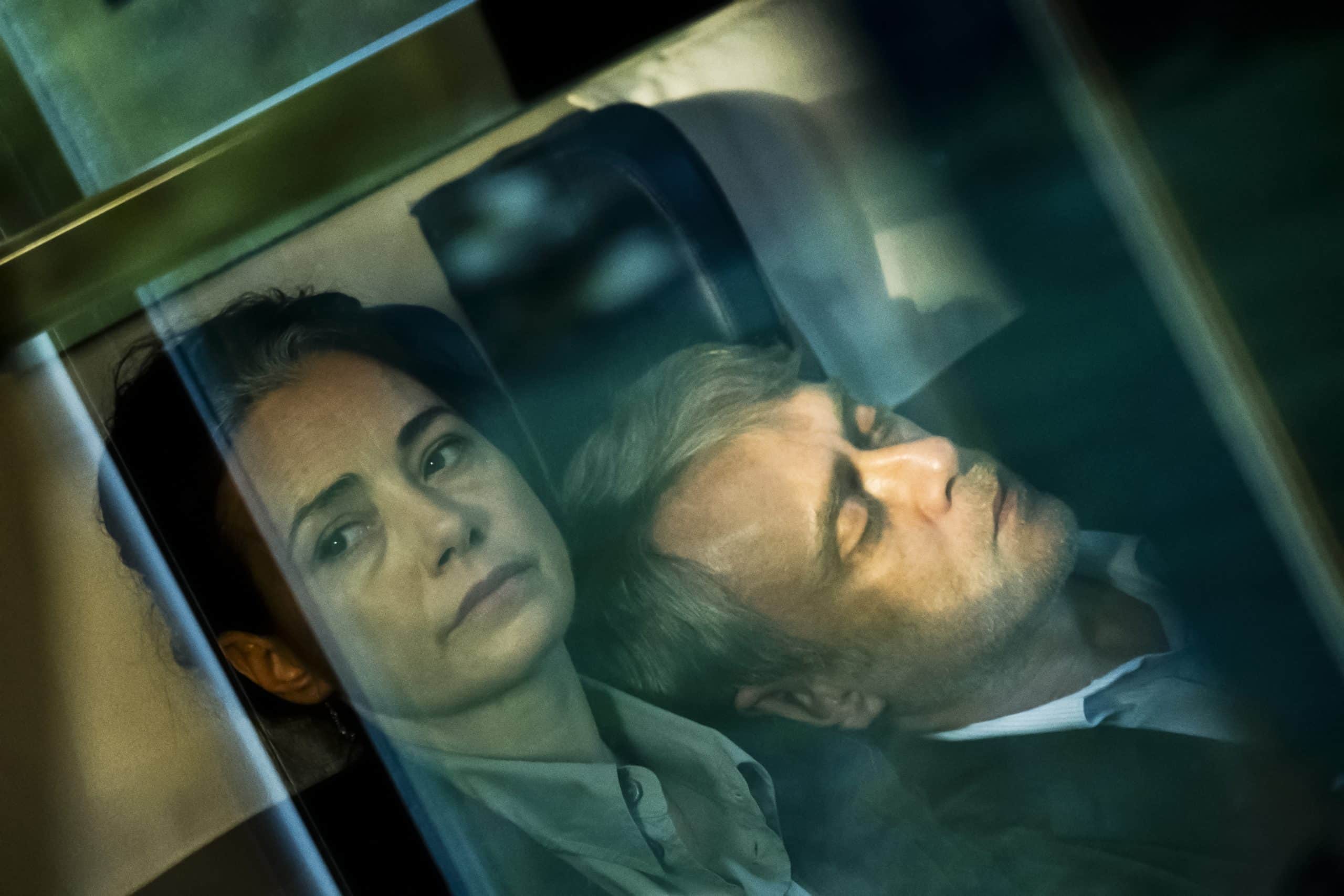
In Yellow Letters, Berlin plays Ankara. In The Friend’s House Is Here, shot in secret in Iran, Tehran plays itself. Two films at the Stockholm International Film Festival, one question: what happens when the state walks into an artist’s home?
Yellow Letters: the price of conviction
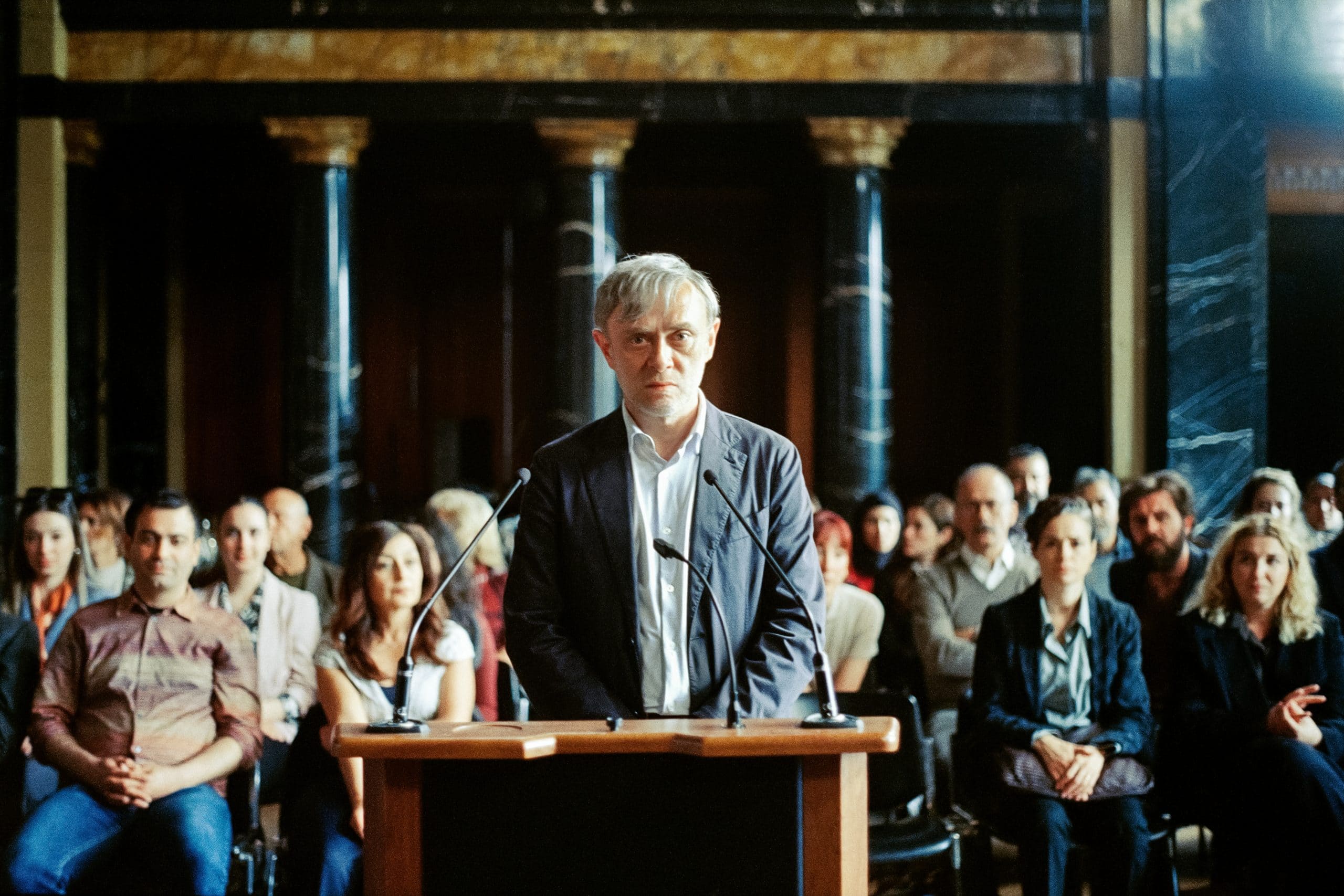
In İlker Çatak’s Golden Bear winner, Derya, an actress, refuses to pose for a photograph with the politicians at the première of a new play. Her husband Aziz, a playwright and professor of dramaturgy, encourages his students to join a protest on campus. Both come under scrutiny and lose their jobs. Their home is searched. What happens on and around the stage follows them into the kitchen, into conversations about how they’ll make a living and what each of them can afford to give up.
Under that pressure, a once-strong partnership begins to fracture. It struck me as a kind of Greek tragedy because both of them are right. Derya and Aziz feel like two voices inside the same person. How much can you give up before the work ceases to feel like yours? And how far can you go to uphold your convictions when your family will also pay the price?
“Derya and Aziz feel like two voices inside the same person.”
The Friend’s House Is Here: joy and solidarity
The title of Hossein Keshavarz and Maryam Ataei’s The Friend’s House Is Here reads like an answer to Abbas Kiarostami’s Where Is the Friend’s House?, which takes its title from a poem by Sohrab Sepehri.
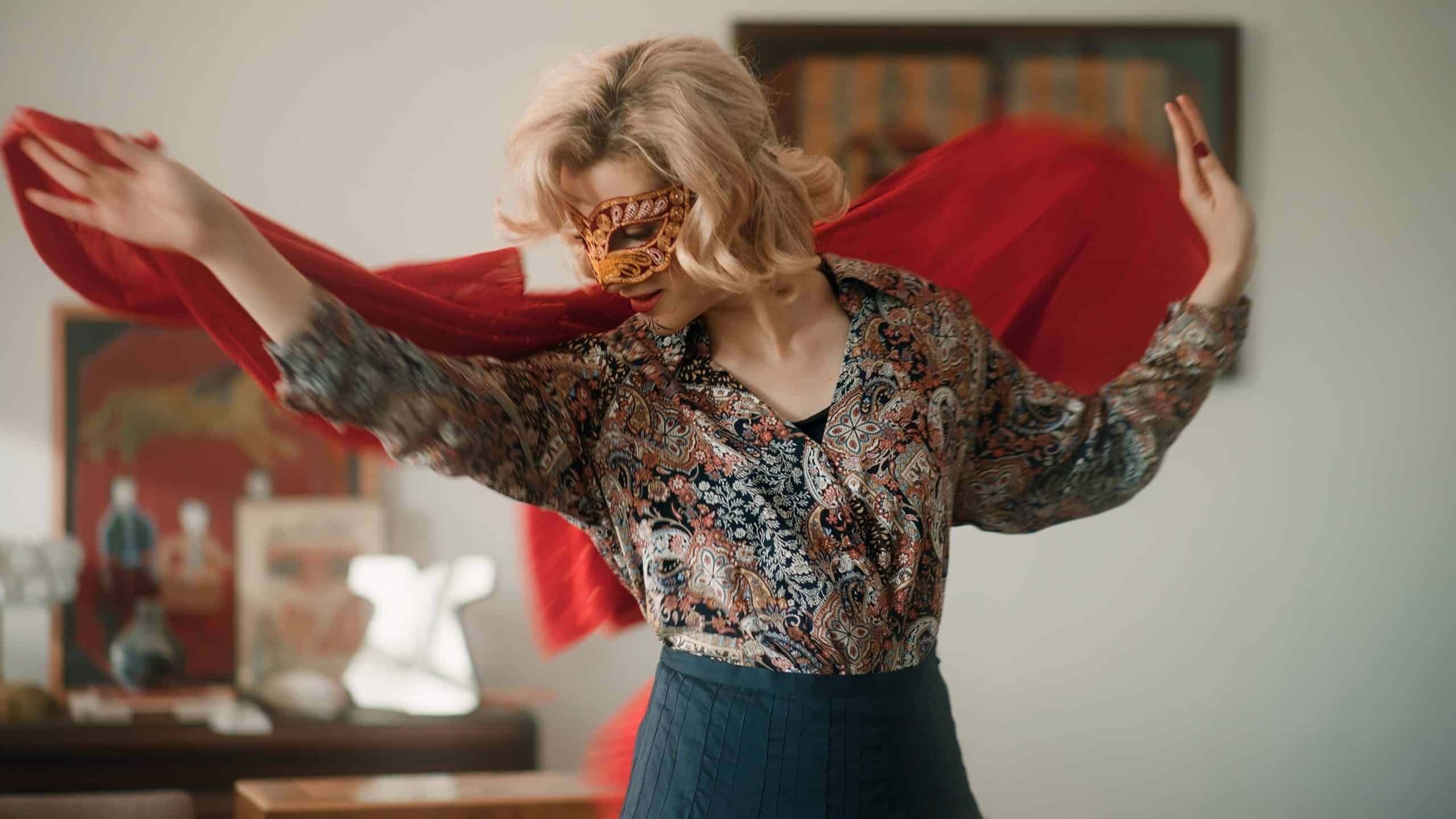
Pari runs an underground theatre company and her friend Hanna films herself dancing in public. The authorities can demand to see a play before it is performed and dictate what performers wear on stage. Then Hanna comes home to find their flat ransacked and Pari gone. I thought of the search in Yellow Letters. In both films, the state reaches into the place where the characters should be able to shut the door.
“In both films, the state reaches into the place where the characters should be able to shut the door.”
What stayed with me was how much joy and solidarity run through the film even as the world Pari and Hanna have built comes apart. In the rehearsals and the parties, you can feel how much the company enjoys being together, despite injustice and oppression. When Hanna leaves Iran, their friendship holds. Watching the actors together, I could see why the film won a Special Jury Award for its ensemble cast at Sundance.
Artistic freedom, in practice, is a job that lets you keep working. A room where you can rehearse. People you trust enough to try something out in front of them. And a society that isn’t afraid of your freedom.
Next screenings
The Friend’s House Is Here · Thursday 19 November, 15:15 · Biograf Sture, Screen 3
Yellow Letters · Saturday 21 November, 15:15 · Biograf Sture, Screen 1 · Face2Face with producer Nadir Öperli
For The Friend’s House Is Here, see the festival programme, p. 45 and screening schedule and tickets. Yellow Letters is listed under its Swedish title, Frihetens pris: film information and tickets.
More from the Stockholm Film Festival
Read Chiara’s first festival report: Masc and the Masks We Wear
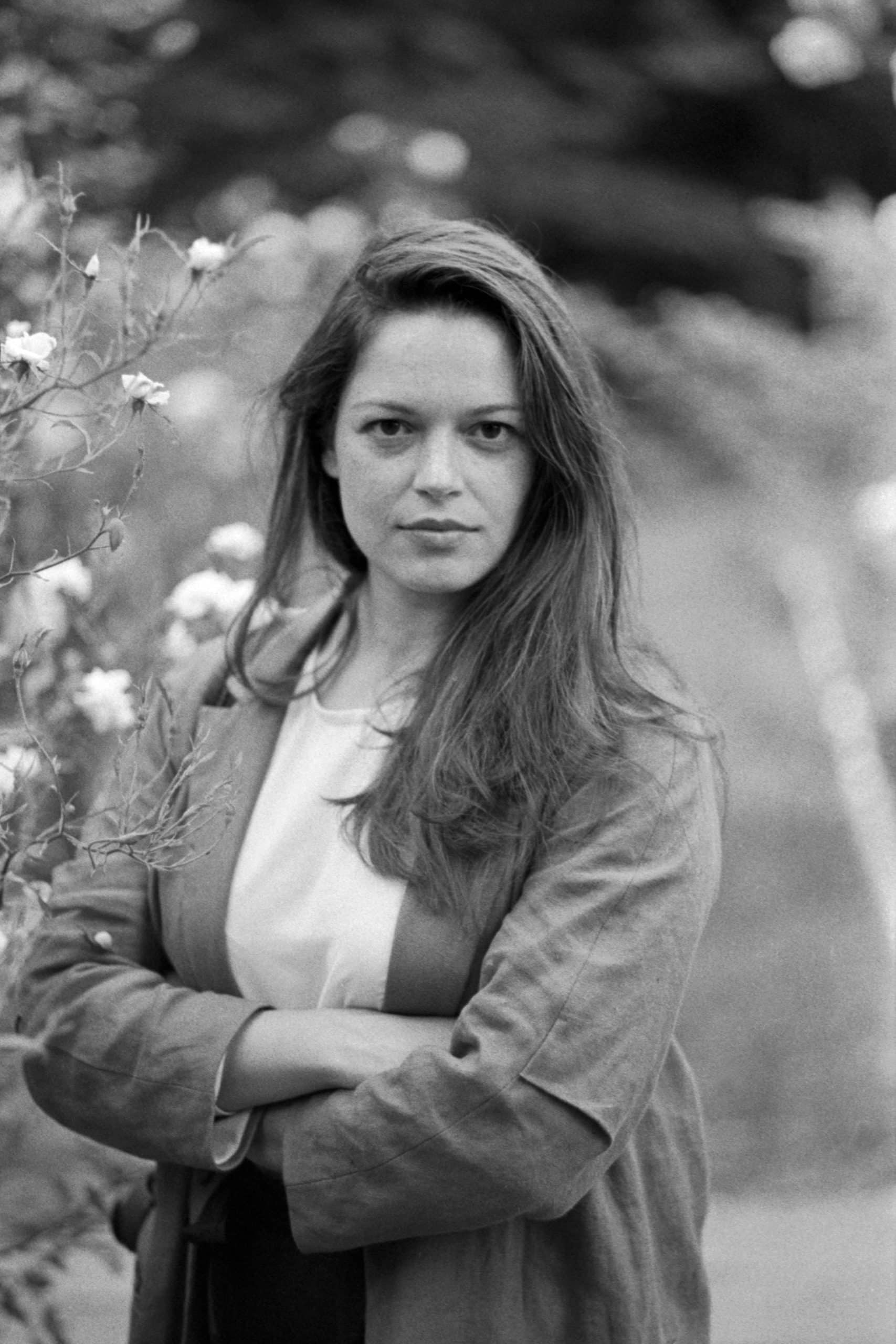
Chiara Gelmini is an Italian art writer, curator and interdisciplinary artist. With a background in visual and performing arts and aesthetics, she works across contemporary art, music, performance and cultural education. Her work is shaped by travel, cultural crossings and the porous thresholds between places, disciplines and artistic languages. Her writing explores the relationships between artworks, exhibition contexts and audiences, and art as a space for encounter. Read more articles by Chiara Gelmini.